Cornell engineers have demonstrated a cost-effective way to stabilize lithium and sodium anodes using tin as a protective interface between the anode and a battery’s electrolytes.
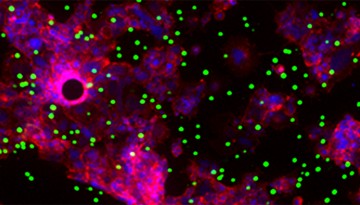
A multi-campus study of lymphoma shows that certain cell mutations in tumors can cause the cancer to be resistant to chemotherapy, with biophysical forces such as fluid flow playing a key role.
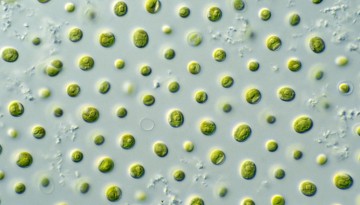
Scientists from Cornell, Duke and the University of Hawaii have an idea that could provide power and food protein to large regions of the world – and remove carbon dioxide from Earth’s atmosphere.
Cornell Entrepreneurs of the Year Steve Conine ’95 and Niraj Shah ‘95, co-founders of Wayfair, will be honored on campus April 19 at the Celebration conference.
Matt Barker ‘19 and Austin Astorga ’19 created Brella, an app that delivers a personalized daily forecast and clothing suggestions based on the weather.
Through a collaboration between Cornell researchers and energy industry partners, New York households will be able to measure and manage their own electricity use.
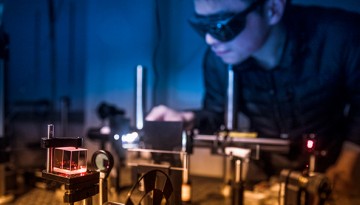
Cornell researchers have become the first to control atomically thin magnets with an electric field, a breakthrough that may be applicable to computer chips and other applications.
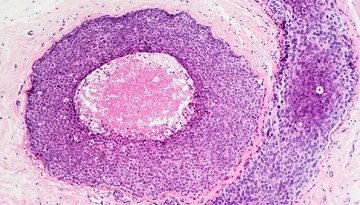
Cornell will hold the first Annual Cancer Research Symposium to showcase diverse and groundbreaking cancer research on campus, and to better integrate investigators from the Ithaca campus and Weill Cornell Medicine.