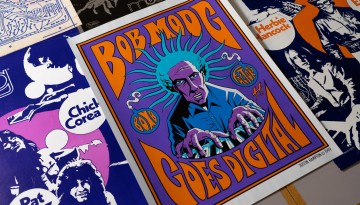
To celebrate the opening of the Cornell University Library archive honoring synthesizer pioneer Robert Moog, Ph.D. ’65, the university is hosting “When Machines Rock: A Celebration of Robert Moog and Electronic Music,” March 5-7.
In her new book “Naked Agency: Genital Cursing and Biopolitics,” Naminata Diabate seeks a nuanced analysis of incidents of naked protest, particularly by women in Africa.
Derrick R. Spires, associate professor of English, was awarded the St. Louis Mercantile Library Prize for his book “The Practice of Citizenship: Black Politics and Print Culture in the Early United States.”
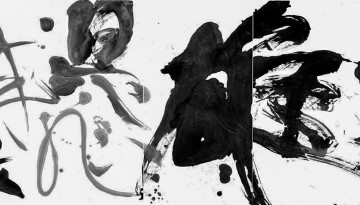
Events at Cornell include a cat video festival; performances inspired by Taiwanese artist Tong Yang-Tze; a concert and master classes with the Chamber Society of Lincoln Center; and a celebration of Robert Moog.
Events at Cornell include the Martin Luther King, Jr. Commemorative Lecture with Yusef Salaam; pianist Philip Carli and silent films at Cornell Cinema; astrophysicist David Stevenson, Ph.D. '76; and the 2020 Backyard Bird Count.
A new exhibit at Cornell University Library’s Catherwood Library, “The Other Side of the Tracks," exposes the plight of marginalized African American and women railroad workers early in the 20th century.