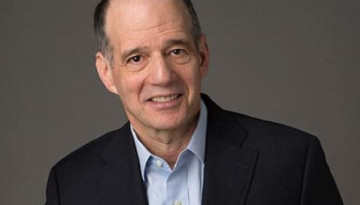
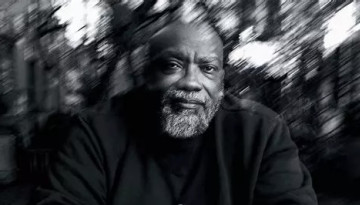
At a talk hosted by Cornell University’s Program on Freedom and Free Societies on Oct. 19, Brian T. Allen will discuss how democracies judge art and architecture.
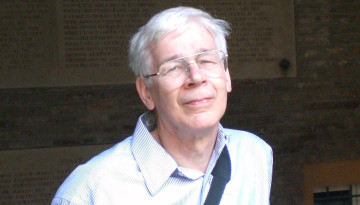
A. Reeve Parker, professor emeritus of literatures in English in the College of Arts and Sciences and a scholar of British Romanticism, died Sept. 16 in Ithaca, New York, at age 89.
Cornell faculty members, academic departments and groups of departments are invited to submit nominations for the A.D. White Professors-at-Large Program in the fields of arts, humanities, life sciences and physical sciences.
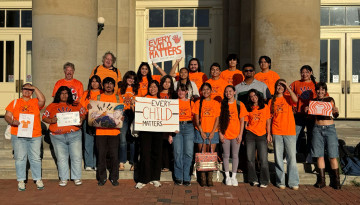
Cornell Cinema and the American Indian and Indigenous Studies Program suggest films for the Cornell community to watch and reflect on for Orange Shirt Day.
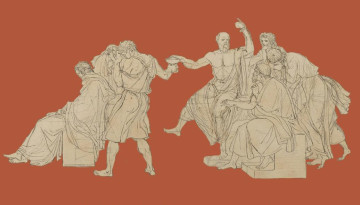
In his new book, “How to Speak Freely,” classicist Michael Fontaine of the College of Arts and Sciences shows that thousands of years ago, Athenians were struggling with the same topics societies struggle with today.
Cornell’s Society for the Humanities marked its 60th anniversary Sept. 18-19 with events celebrating six decades of humanities research and collaboration.
Cornell President Michael I. Kotlikoff and classics professor Mike Fontaine will discuss free speech and leadership Oct. 6 opening the Program on Freedom and Free Societies series.
The Black Critical Thought symposium Oct. 2 will feature interdisciplinary faculty and student presentations on Black studies, culminating in a keynote conversation with cultural theorist and poet Fred Moten.