Life Science Core Day, taking place Sept. 22, offers Cornell researchers a chance to explore an extraordinary range of specialized life science core facilities, technologies, and expertise available to them from across campus in one place.
Cornell’s To Do the Greatest Good campaign surpassed its goal of raising more than $5 billion and engaging more than 200,000 alumni – achievements that will enhance opportunities for students and accelerate critical faculty research.
Seven Cornell research teams have received Center for Advanced Technology grants to advance early-stage life science technologies through collaborations with biotechnology companies across New York state.
The second season of Research Matters, a Cornell video podcast, drops today, with a way-too-relevant episode on why we don't always do the things we know we should.
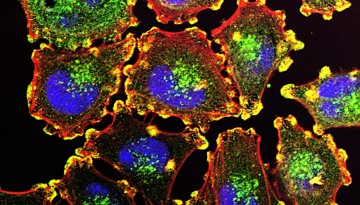
Cornell researchers successfully ramped up the body’s own immune response to fight melanoma at the tail end of a targeted cancer therapy, when tumors commonly become resistant to these treatments.
Through their research programs, the 2026 fellows are advancing new tools and insights to inform conservation strategies, strengthen disease management, and promote sustainable systems that benefit wildlife, people, and the planet.