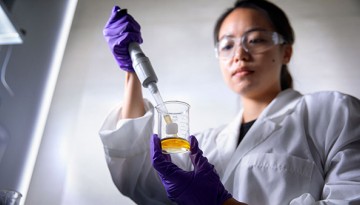
A research team led by Jeongmin Song from the College of Veterinary Medicine was able to vaccinate mice effectively against tyhpoid by exposing them to a closely related bacteria.
When biology major Brian Lee started Cornell in August 2016, he did not realize he wanted to research cancer and study medicine. With thanks to his mentor, he will.
Philippa Johnson, a clinical radiologist in the Cornell College of Veterinary Medicine, has created feline, canine and equine brain atlases to help improve magnetic resonance imaging diagnostics.
Amid the challenges of shifting to virtual learning, students and faculty found opportunities for innovation, connection and intellectual growth. Here are snapshots of six courses that took creative approaches to their online formats.
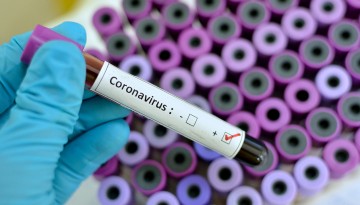
The Office of the Vice Provost for Research has announced a new seed grant mechanism to fund preliminary investigations into medical and biological aspects of SARS-CoV-2, the virus that causes COVID-19.
A new study of planaria, a type of flatworm, shows how stem cells are able to postpone their own death in order to respond to an injury that needs their attention.
Jerrie Gavalchin, associate professor in the Department of Animal Science in the College of Agriculture and Life Sciences, died May 3 in a bicycling accident near her home in Groton, New York.
Collaborating across disparate disciplines to tackle the grand challenges facing humanity is intrinsic to Cornell’s unique brand of research innovation.