A new study has uncovered key details for how the Salmonella bacteria that causes typhoid fever identifies a host’s immune cells and delivers toxins that disrupt the immune system and allow the pathogen to spread.
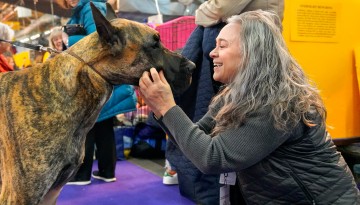
The world’s elite dogs vied for titles at the 144th Westminster Kennel Club Dog Show in New York City, and for the second year in a row, Cornell veterinarians were on call to care for the competitors.
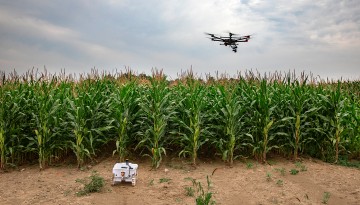
Students and faculty from the world’s five leading agricultural universities, including Cornell, will spend three days learning and brainstorming at the Cornell Initiative for Digital Agriculture’s second annual hackathon, Feb. 28-March 1.
Angela Poole, assistant professor of nutritional sciences, and Gerlinde Van de Walle, associate professor of microbiology and immunology, have both been awarded $25,000 each to launch or support research.
Researchers from four colleges will study potential warnings for electronic cigarette advertisements that seek to deter teen use of the products without discouraging adults who are trying to quit smoking.
Faculty members Anthony Burrow and Julia Felippe, Ph.D. ’02, have been appointed provost’s fellows for public engagement, to advance Cornell’s public engagement mission and initiatives around community-engaged learning and research.
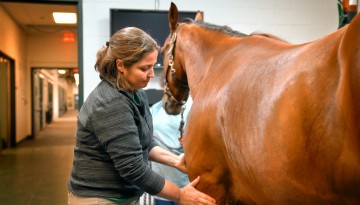
Recent multidisciplinary research at Cornell, led by Dr. Michelle Delco from the College of Veterinary Medicine, reveals that the application of a proprietary peptide may protect cartilage from osteoarthritis.
A 23-year partnership between the Rosamond Gifford Zoo in Syracuse, New York, and the College of Veterinary Medicine provides care for endangered species while giving veterinarians and students specialized training.