Kaushik Basu, the C. Marks Professor of International Studies and professor of economics, began his three-year term as president of the International Economic Association June 23.
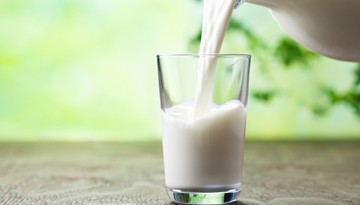
Cornell and IBM announced a joint research project June 23 that will use genetic sequencing and big-data analyses to help keep the global milk supply safe.
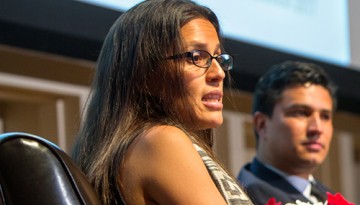
Alejandro L. Madrid, professor of music, has been awarded the Royal Musical Association's Dent Medal. He is the first Latin American winner of the award, which has been given since 1961.
In the year 2100, more than 2 billion people - those who live on islands or along coasts - could become climate change refugees due to rising sea levels, according to Cornell researchers.
At an expert briefing in Brussels on May 19, Cornell experts spoke about the need to plan for nuclear power plant accidents and how to compensate radiation victims.
Switzerland, Sweden, the Netherlands, the United States and the United Kingdom are the world's most innovative countries, according to the Global Innovation Index 2017, co-edited by Soumitra Dutta, dean of Cornell SC Johnson.
Faculty experts discussed local, national and international perspectives on immigration and migration and potential impacts of policy changes on Cornell, at a Mosaic Forum June 10.
Led by some of the world's top wildlife health experts, Wildlife Health Cornell seeks a healthier future for wildlife by promoting the well-being of animals, people and the natural world we share.
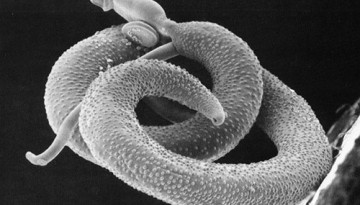
Cornell and Ludwig Institute for Cancer Research scientists have developed a way to produce a protein antigen that may be used as a vaccine for the tropical disease schistosomiasis.