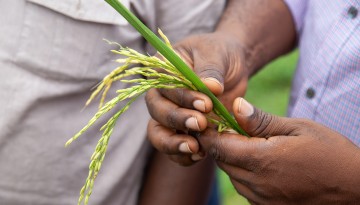
A new graduate fellowship program will support students from Minority Serving Institutions (MSIs) to become next-generation leaders in global crop improvement.
This year's MPS in Global Development program will provide in-depth training to more than two dozen students who are mid-career professionals, scholars and aspiring development professionals from more than ten countries across the globe.
The new Critical Development Studies provides a deep and critical analysis of the history, practices and structural inequalities of international development.
From quantifying climate vulnerability in Haiti to documenting the ecological calendars of Indigenous and rural communities, Cornell student projects aim to reduce climate impacts around the world.
The Finger Lakes Energy Compact is part of a new international initiative overseen by the United Nation’s Sustainable Development Goals Program. The compact will combine Cornell’s research initiatives and campus efforts in renewable energy and energy efficiency with the City of Ithaca and the Town of Ithaca’s ambitions for a Green New Deal.
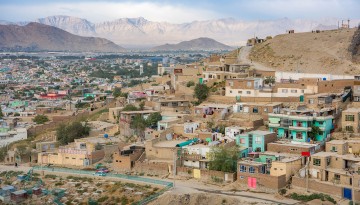
As the U.S. withdrawal from Afghanistan unfolded, two events kept pace brought Afghan and congressional national security experts to the campus conversation.
Births declined 7.1% in the United States during the early months of the COVID-19 pandemic, according to a Cornell-led study just published in the Proceedings of the National Academy of Sciences.
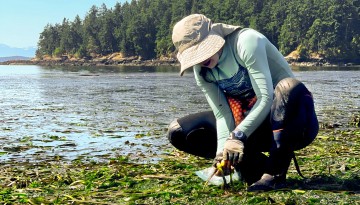
Cornell-led scientists aim to resolve a wasting disease afflicting seagrass – the ocean’s critical first line of coastal filters – with a $2.5 million National Science Foundation grant.
A new resource at the Tata-Cornell Institute (TCI) for Agriculture and Nutrition’s Center of Excellence in New Delhi will help empower India’s 125 million smallholder farms to take advantage of growing opportunities in the agricultural sector.