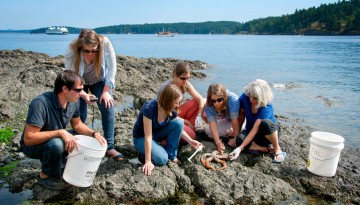
Seven Cornell students and recent alumni received Fulbright U.S. Student Program awards to conduct research or teach abroad in 2020-21. Fulbright activities are currently suspended until January 2021.
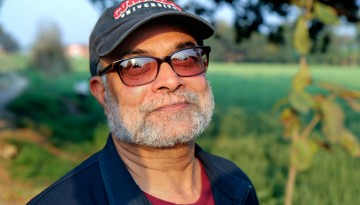
Prabhu Pingali, director of the Tata-Cornell Institute for Agriculture and Nutrition, has been named chair of the governing board of the International Crops Research Institute for the Semi-Arid Tropics.
Former Secretary John Kerry discussed foreign relations, climate change, political polarization and other immediately relevant topics Oct. 29 during the Belnick Family LaFeber/Lowi Presidential Forum.
The Cornell Atkinson Center for Sustainability is celebrating its 10th anniversary by focusing with renewed urgency on more powerful ways to translate knowledge into action.
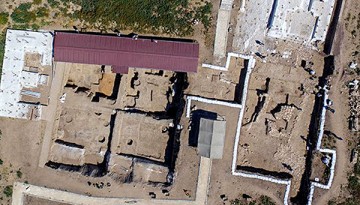
A new study – led by archaeologists from Cornell and from the University of Toronto, working in southeastern Turkey – reveals evidence of resilience and even of a flourishing ancient society despite changes in climate.
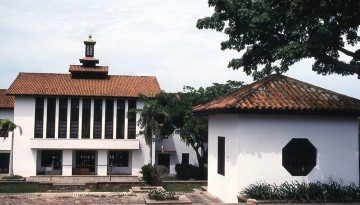
The Institute for African Development has been awarded a U.S. Department of Education grant to strengthen African studies and languages for Cornell undergraduates.
Caitlín Barrett, associate professor of classics in the College of Arts and Sciences, has been named a National Geographic Explorer after receiving a grant from the National Geographic Society to study daily life in ancient Rome.
Cornell students who are passionate about changing the world can now join an international network of like-minded emerging leaders as Laidlaw Scholars, in the Laidlaw Undergraduate Research and Leadership Program.
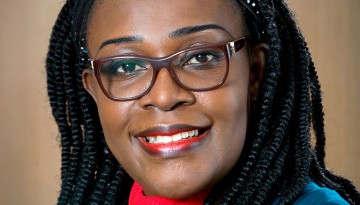
Irene Sumbele, a visiting scientist with the Master of Public Health program at the College of Veterinary Medicine, has been named the 2020 Beau Biden Scholar by the Institute of International Education’s Scholar Rescue Fund.