In a global cautionary tale, the UN’s IPCC has a new climate change report written by Cornell’s Rachel Bezner Kerr and 270 others, to pull our planet from dire environmental ruin.
A Cornell-led collaboration used electrochemistry to stitch together simple carbon molecules and form complex compounds, eliminating the need for precious metals or other catalysts to promote the chemical reaction.
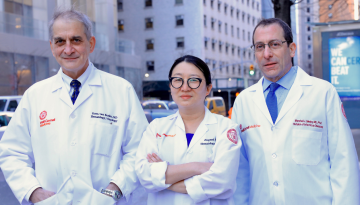
A patient living with HIV who received a blood stem cell transplant for high-risk acute myeloid leukemia has been free of the virus for 14 months after stopping HIV antiretroviral drug treatment, suggesting a cure, according to the Weill Cornell Medicine and New York-Presbyterian physician-scientists who performed the transplant and managed her care.
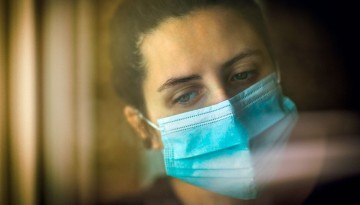
Weill Cornell Medicine has been awarded a $9.8 million grant from the National Institutes of Health to lead a consortium of health care institutions that are analyzing nationwide health data in an effort to unravel the complexities of long COVID.
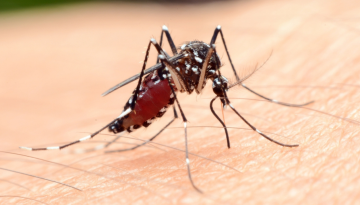
Scientists have uncovered a set of neurons in fruit flies that shut down in cold temperatures and slow reproduction, a system conserved in many insects, including mosquitoes, which could provide a target for pest control.
Ariel Ortiz-Bobea says there is no greater threat to our food supply than climate change. He has been appointed to a USDA advisory panel where he will get to shape policy that leads to solutions.
A specific group of fungi residing in the intestines can protect against intestinal injury and influence social behavior, according to new preclinical research by scientists at Weill Cornell Medicine.