Brain imaging may identify patients likely to benefit from anxiety care app

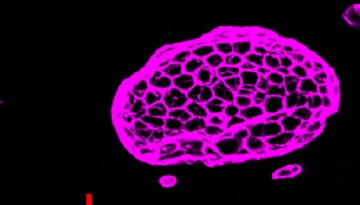
By understanding differences in how people’s brains are wired, clinicians may be able to predict who’d benefit from a self-guided anxiety care app, according to a clinical trial co-led by Weill Cornell Medicine investigators.

Improving guidelines can help combat deadly bacteria in powdered baby formula

The findings of a new study reveal how the current instructions for reconstituting powdered formula are ambiguous and can fail to protect against potentially fatal food-borne bacteria.

Inaugural CUNY Honors Connect cohort presents research

This summer, Cornell Tech welcomed the first-ever cohort of the City University of New York (CUNY) Honors Connect program, which culminated in a showcase of student-led research on July 31.

Around Cornell

Study examines how the pandemic altered puberty’s impact on girls’ mental health

Researchers explored how an altered social landscape may change the experience of puberty.

Around Cornell

True blue: Researchers create better blue food dye from algae

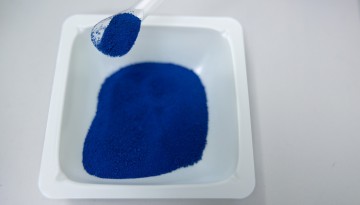
A new blue colorant might help the food industry steer away from potentially harmful artificial dyes.

Not all low-grade prostate cancers are low risk

A new study reveals that some men who are diagnosed with “Grade Group one” prostate cancer may actually be at higher risk than biopsy results suggest.

Engaged Opportunity Grants connect students with hands-on community projects

The Einhorn Center for Community Engagement awarded nine grants to a diverse array of projects that connect classroom learning with community partners.

Around Cornell

Food technology students triumph at national competition

For decades, Cornell's food science students have dominated a national competition. This year, it was a near-sweep.

Taking on a tropical parasite, with women in mind

Dr. Jennifer Downs of Weill Cornell Medicine is collaborating with Tanzanian researchers to treat schistosomiasis, a parasitic worm infection affecting 250 million people worldwide.