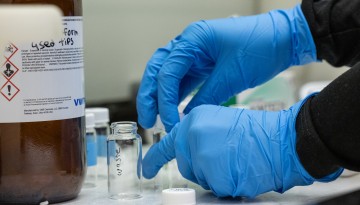
Researchers have developed a rapid, cell-free method for building nanoparticle vaccines that mimic viruses at the molecular level, a technique that could pave the way for faster, more adaptable immunization strategies against deadly viruses like Nipah.
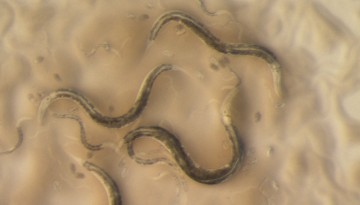
Scientists have sequenced the complete genome of a roundworm used extensively in biological research, opening a new pathway for synthetic biologists to build and test genetic changes in a multicellular animal species.
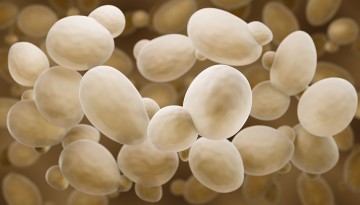
Cornell researchers have found that peaceful microbes are more likely to thrive, and their more aggressive peers perish, if their environment is harsh or experiences violent disruptions.
At the Cornell Thought Summit, Everyday AI & Mental Health: Navigating a Tipping Point, experts gathered to discuss the use of artificial intelligence to improve mental health care for patients.
In an increasingly complex food system, ensuring the safety of fruits and vegetables requires collaboration between grocery chains like Wegmans, Cornell and government agencies.
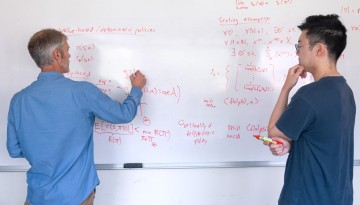
Cornell researchers have been building decision-support tools, optimization methods and artificial intelligence approaches to help the U.S. Navy and Marines quickly and effectively transport people and supplies – including blood for transfusions – in the event of an overseas conflict or humanitarian disaster.
Eventual proof of a clear association between genes that express a salivary enzyme and Type 2 diabetes could lead to genetically testing people at birth to predict their susceptibility.