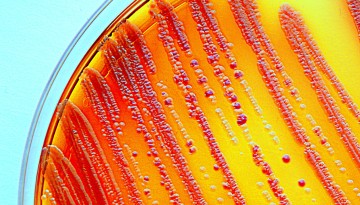
Researchers from Weill Cornell Medicine sampled gut bacteria from healthy fecal microbiota transplantation donors and from recipients with ulcerative colitis, identifying the bacterial strains that correlates with effective treatment.
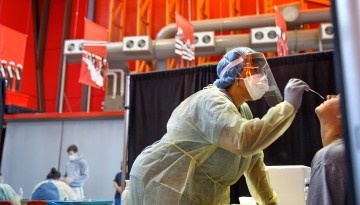
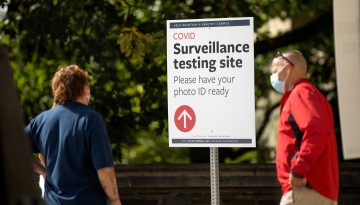
A limited number of fully vaccinated students with breakthrough but asymptomatic COVID-19 infections will be able to test out of their mandatory 10-day isolation periods early after receiving two negative tests.
A recent study brought together Cornell students and faculty and New York City teenagers to explore how nutrition education can improve nutrition and promote positive youth development in places with little or no access to healthy, affordable food.
David Russell, the William Kaplan Professor of Infection Biology in the Department of Microbiology and Immunology, has been awarded a $2 million grant from the Mueller Health Foundation to develop new treatment regimens for tuberculosis.
A brain circuit that works as a brake on binge alcohol drinking may explain why women may be more vulnerable to alcohol-use disorders, a Weill Cornell Medicine study found.
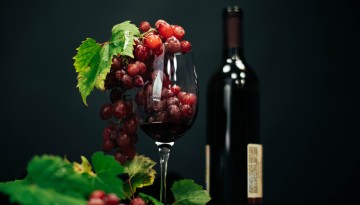
Cornell food scientists now show that the leftover pulp from the red wine making process has the potential to be a nutritive, illness-reducing treasure.
Carlos Jay Espinosa was awarded the Dean’s Scholarship from Cornell University Precollege Studies to take a biology course with Cornell faculty and earn college credit.
“As a first-generation student, and one who didn’t come from a well-off household, I always dreamt of attending international opportunities like this, since programs of this kind are scarce in my country,” Espinosa said. “I thought of that dream as something impossible.”
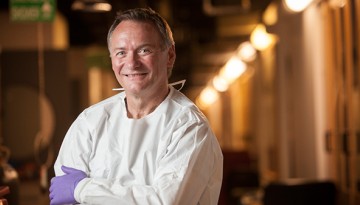
During his term as president of the American Association of Immunologists, Dr. Gary Koretzky '78, vice provost for academic integration at Cornell, aims to improve science advocacy, public outreach and more.