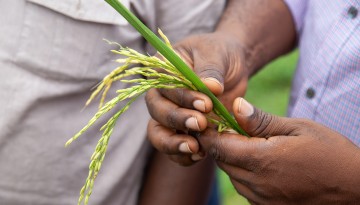
A new graduate fellowship program will support students from Minority Serving Institutions (MSIs) to become next-generation leaders in global crop improvement.
The collaborative nature of innovation was one of the key messages author Steven Johnson delivered during a campus visit Sept. 22, as a guest of the Milstein Program in Technology & Humanity.
Cornell is one of only seven institutions across the U.S. that will receive a funding award from the National Institutes of Health through a program aimed at increasing minority faculty in the biomedical sciences.
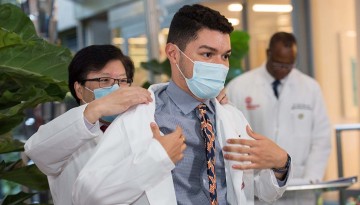
On Sept. 24, after a year highlighted by so many virtual events, the Class of 2024 finally celebrated their medical school journey with a White Coat Ceremony – hosted in-person.
Students living on campus have a new resource for support when they are experiencing distress, with the launch of the university’s Community Response Team at the start of this semester.
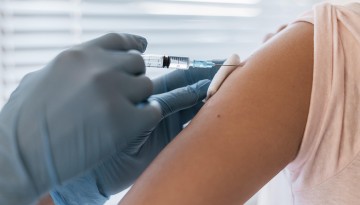
In this Q&A, Dr. Roy Gulick of Weill Cornell Medicine breaks down the science underlying booster shots of COVID-19 vaccines and answers some frequently asked questions.
Water shutoffs for non-payment are a constant threat for millions of Americans in any given year. That risk was a deadly one during the pandemic, with access to clean water for handwashing and sanitation a proven way to reduce the spread of COVID-19. The dozens of states that implemented moratoria on water shutoffs to protect vulnerable citizens reported better public health outcomes, according to a new Cornell study.
Despite the pandemic, Cornell students successfully navigated the process of applying to medical and law schools and are headed to some of the country’s top professional schools this fall.
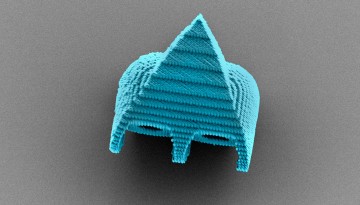
Cornell researchers created cell-size robots that can be powered and steered by ultrasound waves. Despite their tiny size, these micro-robotic swimmers could be a formidable new tool for targeted drug delivery.