Cornell food scientists show in animal studies that a mother’s high-fat diet may lead to more sweet-taste receptors in taste buds resulting in poor feeding behavior, obesity in adulthood.
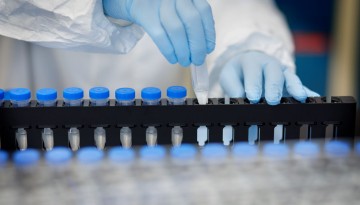
The aggressive approach, which supplements other campus efforts to slow the virus’s spread, expands testing to those who may not meet the definition of a close contact.
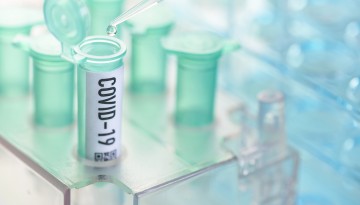
Research from the Feschotte Lab identifies 28 new SARS-CoV-2 and coronavirus associated receptors and factors that predict which tissues are most vulnerable to infection.
An interdisciplinary team of Cornell researchers has been awarded a grant from the National Science Foundation to develop technological tools to ease the burdens on home health aides.
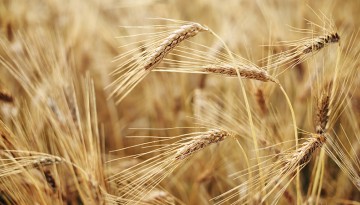
Scientists will gather virtually Oct. 7-9 for the Borlaug Global Rust Initiative’s virtual technical conference to discuss strategies to safeguard the health of wheat, one of the planet’s most important food sources.
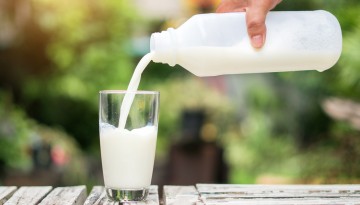
Cornell has awarded Stewart’s Dairy in Saratoga Springs top honors in New York state’s annual fluid milk competition, conducted on behalf of the New York State Department of Agriculture and Markets.
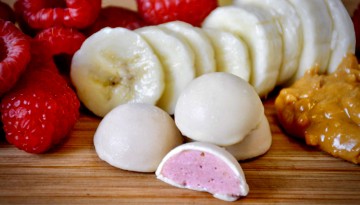
Craving a fruit smoothie, but don’t want to haul out the blender? Cornell’s food product development team created Smoothie Bites, which won a national contest.
When fall semester instruction begins online and in person Sept. 2, the 3,296 members of Cornell’s Class of 2024 just might be the most nimble group in the university’s history.