A new material developed at Cornell could significantly improve the delivery and effectiveness of mRNA vaccines – used to fight COVID-19 – by replacing a commonly used ingredient that may trigger unwanted immune responses in some people.
Since relocating to Upstate New York, Myanmar refugees’ relationship to fishing has shifted, from angling for food and nutrition to being a means for maintaining social connections, time outdoors and emotional well-being.
Imprint, an organization founded at Cornell Tech that is dedicated to decoding the body’s immune memory and uncovering the causes of chronic diseases, announced that it has raised over $15 million in funding.
A new artificial intelligence-based method accurately sorts cancer patients into groups that have similar characteristics before treatment and similar outcomes after treatment, according to a study led by investigators at Weill Cornell Medicine.
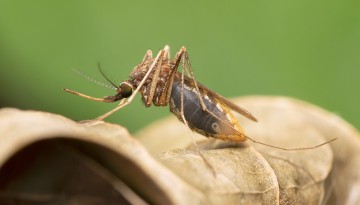
Researchers at Weill Cornell Medicine have discovered that a parasite that causes malaria when transmitted through a mosquito bite can shut down a key set of genes, rendering itself “immunologically invisible” — sometimes for years.
Three innovative approaches to treating infections, fighting cancer, and enhancing the body’s immune system have been selected for funding through the Cornell Center for Immunology's 2025 Multidisciplinary Seed Grants.
The new Startup Cornell podcast episode features Van Hamilton Barbeau '11, MS/MBA '20, AVP at Ochsner Ventures, the venture capital arm of Ochsner Health.
Using machine learning technology, a new study has identified three distinct profiles describing social and economic factors that are associated with a higher risk of suicide.