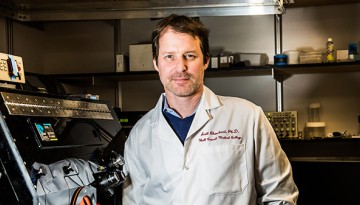
Andrew Rosenblatt ’20, student in the lab of Tobias Doerr, assistant professor of microbiology, is working to make cholera less resistant to treatment by a broad range of antibiotics.
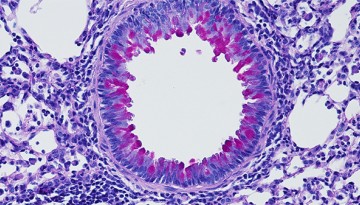
New research suggests genetic variation in the most essential component of the ribosome, ribosomal RNA, may influence how much and which proteins are made.
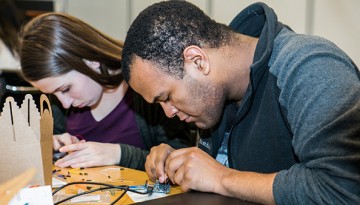
On Feb. 27, 90 students from public high schools across New York City participated in Big Red STEM Day, designed to inspire high school students to consider STEM fields.
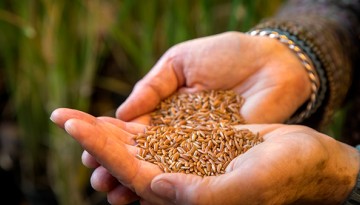
Cornell and U.S Department of Agriculture researchers announced that they are releasing a nutritious new red rice cultivar that should appeal to people interested in alternative grains.
Dr. Vijay Sankaran, who investigates molecular underpinnings of pediatric genetic blood disorders, has been awarded the third annual Gale and Ira Drukier Prize in Children’s Health Research.
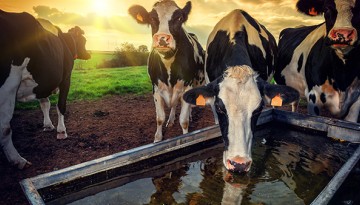
A major study led by Cornell researchers reveals for the first time that water troughs on farms are a pathway for the spread of toxic E. coli in cattle.
Proteins that function like spools to tightly wind DNA, called histones, play an active role in DNA repair, according to a new study from Weill Cornell Medicine scientists.