A new, error-corrected method for detecting cancer from blood samples is much more sensitive and accurate than prior methods and may be useful for monitoring disease status in patients following treatment.
Three Cornell undergraduates are being recognized for their dedication to tackling social challenges through innovative, community-engaged learning projects.
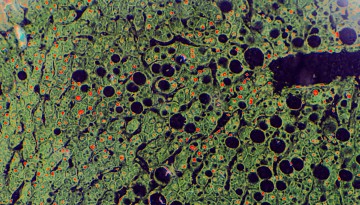
New research from Weill Cornell Medicine has uncovered a surprising culprit underlying cardiovascular diseases in obesity and diabetes – not the presence of certain fats, but their suppression.
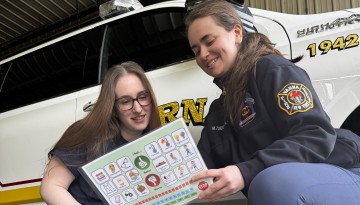
In recognition of her work uniting students, designers and educators across generations to reimagine a play space that fosters creativity, inclusion and active play, Prof. Loebach has received this year’s George D. Levy Engaged Teaching and Research Award.
In response to dairy industry needs, a team of researchers found that avian flu persisted in raw milk for as long as eight weeks when refrigerated - but also that it did not survive pasteurization and even some subpasteurization temperatures.
Weill Cornell Medicine researchers and Tanzanian colleagues are leveraging clergy's influence to lower life-threatening hypertension rates in Tanzania, and potentially the U.S.
Knocking out a single gene reprograms part of the large intestine to function like the nutrient-absorbing small intestine; Weill Cornell investigators showed that this reversed the malnutrition that results when most of the small intestine is removed.