After Pope Francis framed climate change as a moral issue in his second encyclical, conservative Republicans shifted and began to agree, according to a new Cornell study.
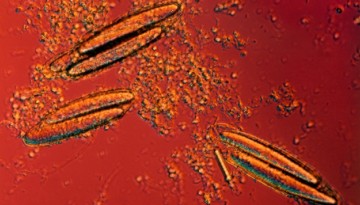
A gene essential for making blood vessels in embryos can successfully transform amniotic cells into therapeutic blood vessel cells, according to new research from Weill Cornell Medicine.
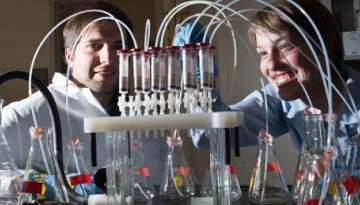
Cornell engineers hope that clean water runs deep. They have developed a new way to test for more micropollutants in lakes and rivers that vastly outperforms conventional methods.
The university launched the Cornell Institute of Host-Microbe Interactions and Disease, an organization that connects the community of Cornell researchers studying host-microbe biology and disease.
Lewis C. Cantley and Kristy Richards are growing radically collaborative research connections between Weill Cornell Medicine and the College of Veterinary Medicine.
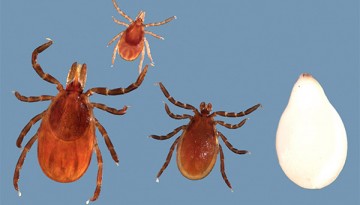
To better understand, prevent and treat diseases passed from insects to people, the Cornell-led Northeast Regional Center for Excellence in Vector Borne Diseases will launch later this month.
Cornell and Weill Cornell Medicine researchers report on the use of biomaterials-based organoids in an attempt to reproduce immune-system events and gain a better understanding of B cells.