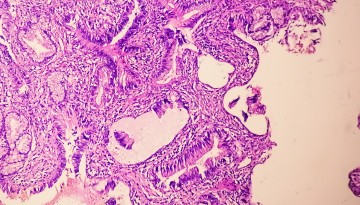
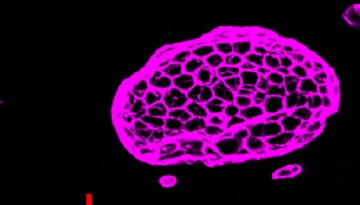
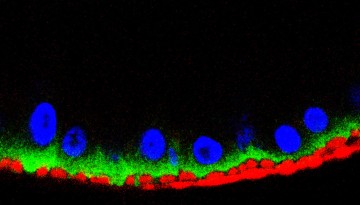
A new preclinical model using CRISPR has given Weill Cornell Medicine researchers and their colleagues a deeper insight into how prostate cancer spreads or metastasizes.
A classic psychedelic was found to activate a cell type in the brain of mice and rats that silences other neighboring neurons, providing insight into how such drugs reduce anxiety.
Rural hospitals and hospitals that treat patients regardless of their ability to pay have been hampered by federal rules limiting their access to funding for capital projects, which has led to institutionalized racism in hospitals, researchers have found.
The collection of essays by Shepley and other authors is intended for students, academics and practitioners in all design fields to inspire societal contribution and celebrate collaboration.
A multi-institutional clinical trial led by Weill Cornell Medicine and NewYork-Presbyterian investigators showed that a newer technique for collecting prostate biopsy samples reduced the risk of infection compared with traditional biopsy approaches.
Immunocompromised people with persistent COVID infections can harbor drug-resistant variants of the virus, which have the potential to spread, researchers at Weill Cornell Medicine, the College of Veterinary Medicine and the NIH have found.
A new study from Weill Cornell Medicine researchers helps explain why having ApoE4 – the gene variant most closely linked to Alzheimer’s disease – increases the risk of neurodegeneration and white matter damage.
The College of Veterinary Medicine and partners have launched a free online course, “Mental Health and Suicide Prevention in Rural America,” to give learners support strategies and resources to navigate mental health challenges in rural communities.