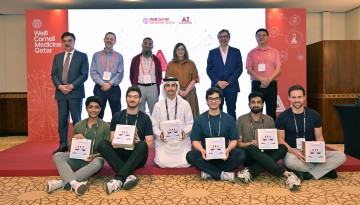
Weill Cornell Medicine-Qatar hosted its first AI Hackathon – a collaborative, interdisciplinary event that brought together medical and computer science students to develop AI-driven solutions for pressing clinical challenges.
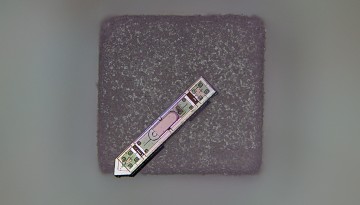
Cornell researchers and collaborators have developed a neural implant so small that it can rest on a grain of salt, yet it can wirelessly transmit brain activity data in a living animal for more than a year.
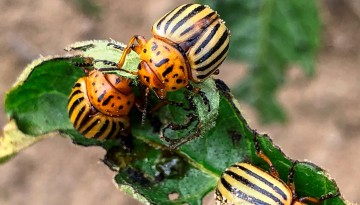
The first sprayable insecticide made of RNA can target and kill ravenous Colorado potato beetles while sparing most beneficial insects, making it a promising environmentally friendly option.
Tracking heart and lung health without wires or electrodes could be a game-changer for home care, assisted living or for patients who resist traditional wearables.
Drug-injury ads are a way for law firms to obtain clients, but when people who need these drugs see the ads, they sometimes stop taking their medication, which can have serious negative consequences, a Cornell researcher found.
Cornell historian Corey Earle shared stories of remarkable women throughout Cornell’s history during an Oct. 25 brunch as part of the Trustee Council Annual Meeting.
Five professors from across campus will advocate that their discipline is the most important to save for the future in the annual Apocalypse Debate, sponsored by Logos, the undergraduate philosophy journal and club.