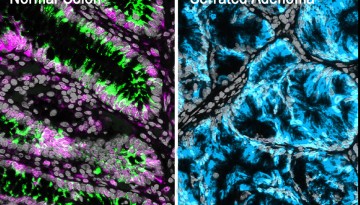
Research led by Weill Cornell Medicine provides new evidence that most colorectal cancers begin with the loss of intestinal stem cells, even before cancer-causing genetic alterations appear.
Using experiments with COVID-19 related queries, Cornell sociology and information science researchers found that in a public health emergency, most people pick out and click on accurate information.
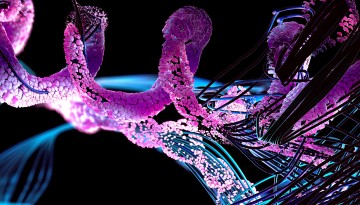
An interdisciplinary collaboration has designed a way to “cloak” proteins so they can be captured by lipid nanoparticles and delivered into living cells, where the proteins uncloak and exert their therapeutic effect.
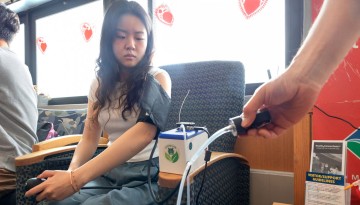
Using low-frequency radio waves to send blood pressure data, a group of students has provided a proof of concept that could enable in-home health care for people without cellular or broadband access.
Fatal drownings are a big risk for small-scale fishers on Africa’s largest lake, with many of those deaths attributed to bad weather – conditions that are likely to worsen with climate change.
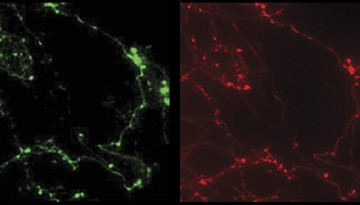
Researchers have developed and tested a high-resolution sensor for tracking the real-time dynamics of adenosine triphosphate levels in cells and within subcellular compartments.
More than 300 expected graduates in received their degrees from Weill Cornell Medicine during the institution’s annual commencement ceremony May 16 at Carnegie Hall.