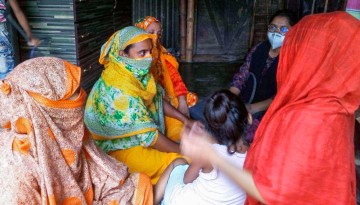
New Cornell research finds that in remote parts of Bangladesh with little internet access, people have relied on local experts, spiritual views and their sense of social justice to evaluate new coronavirus information.
Cornell Bowers CIS has been awarded a three-year, $300,000 grant from the Clare Boothe Luce Program for Women in STEM to increase the number of undergraduate women pursuing research in computer science.
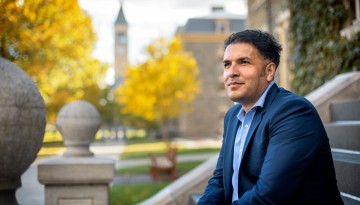
Ferdows, who served as an Afghan interpreter for the U.S. Army, says Cornell welcomed him with academic support, financial aid and camaraderie with other veteran students.
On Nov. 2, Angela Odoms-Young testified before the U.S. Senate Subcommittee on the state of nutrition in the U.S. She highlighted racial inequities in health and nutrition caused by social, political and structural inequalities.
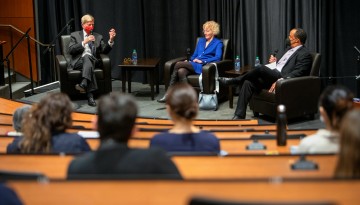
George Will and Martha Nussbaum discussed “The Future of Division I College Athletics: Sexual Assault and Academic Corruption” Oct. 28, as part of the Coors Conversation Series.
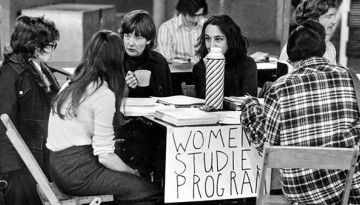
Faculty and alumni from the early days of the program are remembering the barriers they hurdled and the support they received. A series of events are planned for the year.
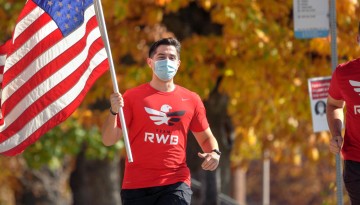
A new summer fund will help Cornell’s growing numbers of student veterans pursue unpaid summer internships – the latest in a long series of initiatives and programs aimed at creating a welcoming and supportive community for students who served in the U.S. Armed Forces.
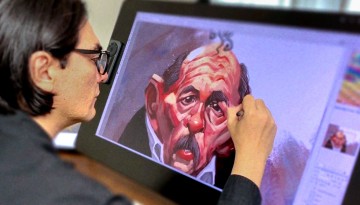
Political cartoonist Pedro X. Molina fled his country in 2018 as the government came down hard on critics, killing more than 300 people and imprisoning hundreds more, including many journalists. Molina is now an Artist Protection Fund fellow in residence and visiting critic at Cornell.