Citing the urgent need for more effective and equitable health communication, Cornell and two other universities are collaborating on a unique research endeavor that will quickly identify developing public health issues, address conflicting messages and counter misinformation.
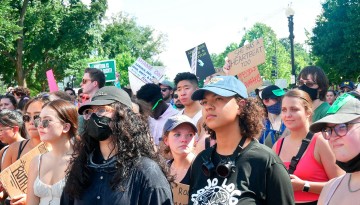
From witnessing a massive peaceful protest to contributing to the success of an international effort to feed the hungry, students completing internships in Washington, D.C. through the Cornell in Washington program are experiencing a summer to remember.
A growing percentage of U.S. adults, even those who trust science, said harassing or threatening public health officials over COVID-19 business closures was justified, according to a new study of public opinion surveys conducted during two phases of the pandemic.
Students and lifelong learners are invited to explore a new interest, enhance their resume or strengthen their professional skills through Cornell’s Fall Part-Time Study Program, which runs Aug. 22 – Dec. 17, 2022. Registration for most students begins August 1.
ILR Senior Economics Adviser Erica Groshen co-edited a special edition of the Harvard Data Science Review addressing changes made by the U.S. Census Bureau.
Extreme heat threatens to reverse progress made in combating early child malnutrition as the planet continues to warm, according to Cornell research focused on five West African nations.
Once used as a tool for constitutional reform, Congress has repurposed Article V of the U.S. Constitution into a mechanism for taking positions on issues, according to new Cornell research.
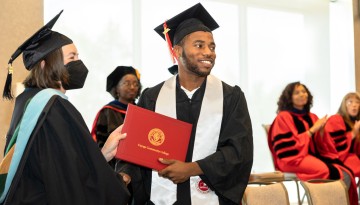
In a July 10 ceremony at the Statler Hotel, the Cornell Prison Education Program honored graduates released since the start of the pandemic, which curtailed prison-based commencements.