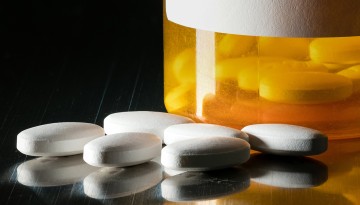
Legalization of recreational marijuana reduces demand for costly prescription drugs through state Medicaid programs, according to an analysis by a Cornell researcher and a collaborator.
The research shows Russia applied the tactics it uses on its own people to try to influence the 2016 U.S. presidential campaign; the work has implications for the 2022 midterm elections.
Three top experts with an array of diplomatic, foreign policy and academic experiences will discuss emerging threats to U.S. foreign policy at an event organized by the Institute of Politics and Global Affairs at the Cornell Jeb E. Brooks School of Public Policy.
Harvard professor Raj Chetty will discuss his research on improving equality of opportunity in America at the annual Distinguished Lecture in the Social Sciences, April 18 in Statler Auditorium.
The last installment of The Peter ’69 and Marilyn ’69 Coors Conversation Series, "Deplatforming: Does Big Tech Protect or Prevent Public Discourse," will be held on April 14 at 6pm in the Law School Auditorium, and will feature Washington Post columnist Megan McArdle and Columbia Law School professor Jamal Greene.
Conor Hodges ’21 receives the Class of 1964 John F. Kennedy Memorial Award in recognition of his academic achievements, campus leadership and advocacy around Cornell’s antiracist and public safety reform initiatives.
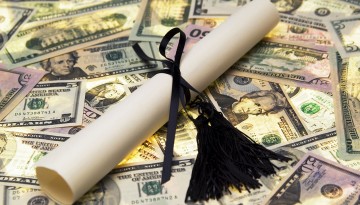
Attending for-profit colleges causes students to take on more debt and to default at higher rates, on average, compared with similarly selective public institutions in their communities, a Cornell economist finds in new research.
Cornell professor Jamila Michener testified March 29 before a congressional committee that universal health insurance coverage would not only address health inequities among people of color, but strengthen the U.S. democracy.
A study of more than 11,000 adolescents found that taxes on soda reduce consumption by boys but not girls, according to new research collaborated on by economics professor John Cawley.