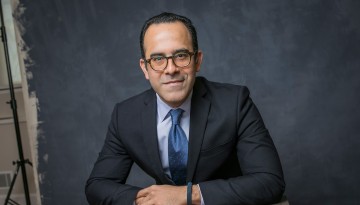
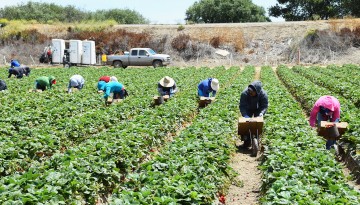
Ariel Ortiz-Bobea says there is no greater threat to our food supply than climate change. He has been appointed to a USDA advisory panel where he will get to shape policy that leads to solutions.
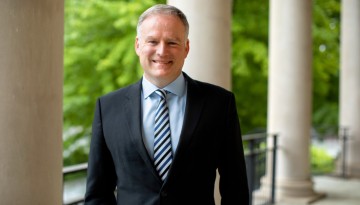
A project led by Felix Heisel and community partners is investigating deconstruction’s potential as a more sustainable alternative to building demolition, a source of significant waste that contributes to climate change.
John Cawley, a health economist at the Cornell Jeb E. Brooks School of Public Policy, will help lead an international organization of health economists. As a member of the Board of Directors of the International Health Economics Association, Cawley will help the group apply economics to health and health care systems while also assisting young researchers at the start of their careers.
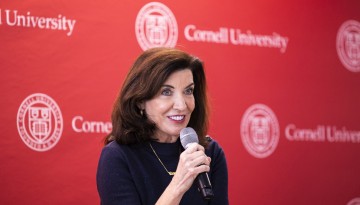
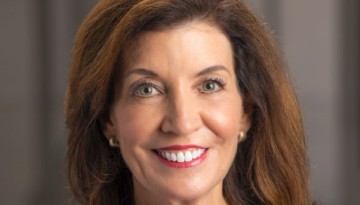
New York Gov. Kathy Hochul outlined plans for rebuilding the state’s infrastructure Feb. 10 at a New York City event sponsored by Cornell’s Institute of Politics and Global Affairs.
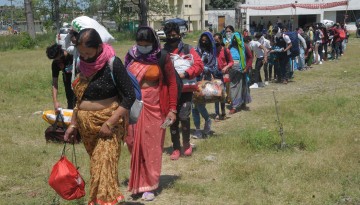
This year’s Lund Critical Debate, “Migration in the Age of Pandemics,” on February 16 will explore ways to promote the best public health outcomes worldwide and protect human rights, as waves of people cross national borders.
Gov. Kathy Hochul will describe her vision for the state’s infrastructure in a New York City conversation sponsored by the Cornell Brooks School’s Institute of Politics and Global Affairs.
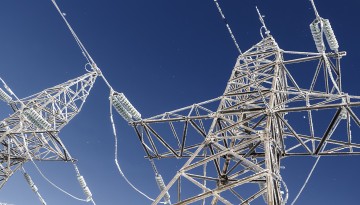
New research finds decentralized electricity markets are prone to underinvestment in resilience to rare events like the severe winter storms that crippled the Texas grid a year ago.
Refugees are less likely to be employed the longer they live in the United States, despite unique and early access to employment services, according to new research co-authored by Shannon Gleeson of the ILR School.