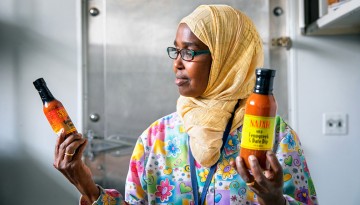
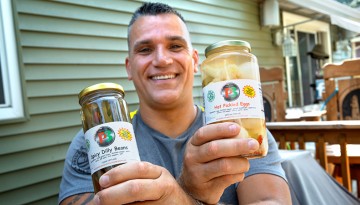
What began as family recipes from Bisharo Ali's native Somalia are now commercial products, thanks in part to help from the Cornell Food Venture Center.
For couples hoping for a baby via in vitro fertilization, chances have improved. A process that once took hours now takes minutes: Cornell scientists developed a device that quickly corrals strong, viable sperm.
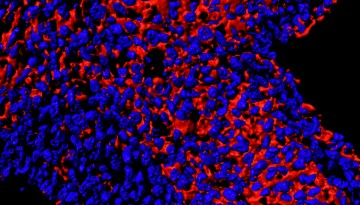
A previously ignored part of the intestine has turned into the key to its most crucial moment in embryonic development: the rotation that winds intestines.
EnoCert, a new certification program offered through the Cornell Enology Extension Lab at Cornell AgriTech, helps winery employees and aspiring wine professionals grasp the nuances of this art from vine to glass.
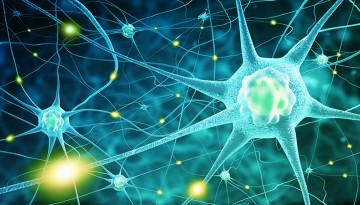
The nervous system maintains itself via phagocytes that clear out dead neuronal material, but faulty signals may actually cause healthy neurites to be destroyed, causing neurodegeneration.
Artificial intelligence is helping Cornell's Elephant Listening Project learn critical information about forest elephants faster, to better protect the endangered animals from poachers and other threats.