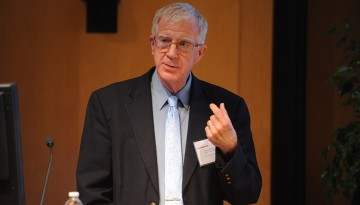
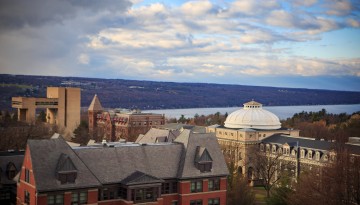
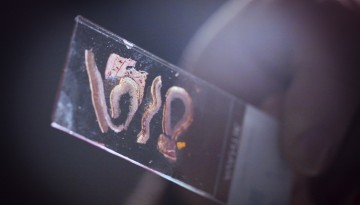
Scientists from around the world gathered June 22 to honor the career of Professor Michael Shuler, whose work in modeling biological systems continues to revolutionize the field of bioengineering and change the way pharmaceutical drugs are developed.
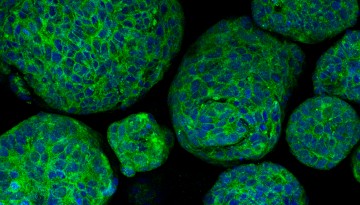
Growing miniature tumors from a patient’s cells in the laboratory may help scientists personalize treatments for those with a rare form of prostate cancer, according a study by Weill Cornell Medicine and NewYork-Presbyterian scientists.
A very low carbohydrate, high-fat diet called the ketogenic diet may improve the effectiveness of an emerging class of cancer drugs, according to a new study.
Ashim Datta, professor in biological and environmental engineering, has secured a $905,000 grant from the USDA to deepen his study of the physics of food processing.
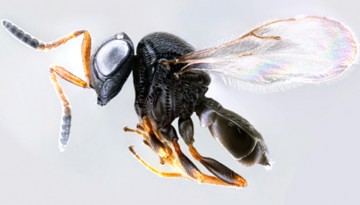
Cornell researchers have released samurai wasps on 24 farms throughout New York to test how well they control brown marmorated stink bugs, an agricultural and household pest.
A year into Cornell’s Academic Integration Initiative, Gary Koretzky ’78 is relocating to Ithaca and taking on a new title to continue leading efforts to better promote, build and enhance collaborative research efforts across Cornell's campuses.
Recognition of the link between human and animal abuse has helped spur a slowly growing system for investigating and prosecuting crimes against animals. Cornell veterinary pathologists play a key role, performing necropsies and delivering expert testimony.
Emmanuel Giannelis, vice provost for research, has appointed biomedical sciences professor Paula Cohen and policy analysis and management professor Christopher Wildeman as provost fellows.