Using a combination of DNA sequencing and computer science techniques, researchers have developed a new method for monitoring the health of organ transplant patients.
Black bear populations are on the rise in New York, and Cornell researchers combine digital technology with on-the-ground conservation efforts to manage the growing numbers.
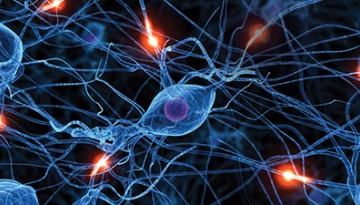
A five-year, $9 million grant from the National Science Foundation will create the Cornell Neurotechnology NeuroNex Hub to develop new tools for neuroscience.
By learning how an immune cell called Tr1 works in the body, researchers hope to one day harness the cells to better treat allergies and infections, according to new Cornell research.
One of Cornell’s Titan arums – a rare plant also known as a corpse flower for the deathly odor it produces at flowering – has broken dormancy and is preparing to bloom this summer on campus.
Technological advances making it possible to image micronutrients in plant tissues are giving Cornell scientists additional tools to develop crops that thrive in marginal soils.
For the third year, Cornell is holding ComSciCon-Cornell, a science communication workshop organized by graduate students, for graduate students and postdocs July 14 and 22.