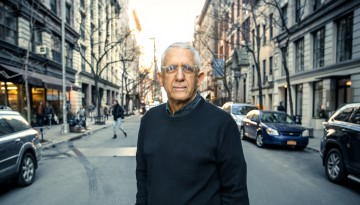
A virtual reality project, co-created by an audio producer at the Cornell Lab of Ornithology, replaces the sounds of today's urban Manhattan with scientifically accurate audio representations of the island in 1609.
Through research, coursework, fellowships, leadership initiatives, business incubators, community outreach, business plan competitions and more, an evolving entrepreneurial ecosystem has emerged at Cornell.
Cornell's Ithaca campus and its iconic upstate setting may be what many envision when they think of the university, but Cornell has long had a presence on the cosmopolitan stages of New York City.
In his new book, “Reordering Life: Knowledge and Control in the Genomics Revolution,” Stephen Hilgartner examines how the governance and control of knowledge changed during the Human Genome Project.
Insects that cannibalize often do so to boost their nutrition, but a new study of Colorado potato beetles suggests another reason for the behavior: to lay low from predators.
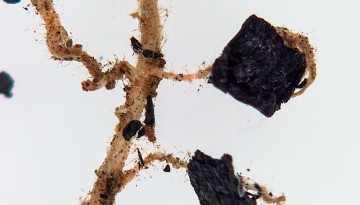
Cornell scientists have discovered a new high-definition system that allows electrons to travel through soil farther and more efficiently than previously thought, according to Nature Communication, March 31.