A new multidisciplinary collaborative research graduate degree program at Cornell will combine architectural research with study in material computation, adaptive architecture and digital fabrication.
An interdisciplinary team of Cornell researchers is investigating a system for using housefly larvae to biodegrade manure and then harvesting the larvae for use as protein-rich animal feed.
Salmonella food poisoning wallops you for several days, but new research by Cornell food scientists indicates that some of its serotypes – variations of the bacterial species – can have permanent repercussions. It may damage your DNA.
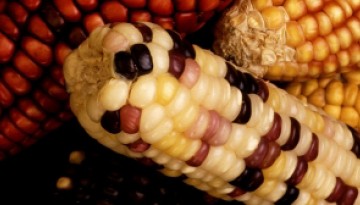
A new study analyzed close to 4,500 maize varieties bred and grown by farmers from 35 countries in the Americas to identify more than 1,000 genes driving large-scale adaptation to the environment.
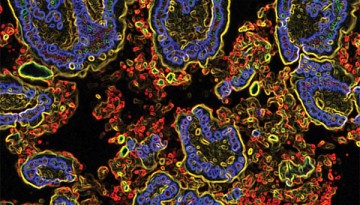
Finding new ways to study cancer and how it spreads is the goal of the Center on the Physics of Cancer Metabolism, a new translational research program between the College of Engineering and Weill Cornell Medicine.
A Cornell water sensor technology that began as basic research is blooming into a business that fills a vital need for grape, nut, apple and other growers.
A new study of shark DNA reveals unique modifications in their immunity genes that may underlie these ocean predators' rapid wound healing and possibly higher resistance to cancers.
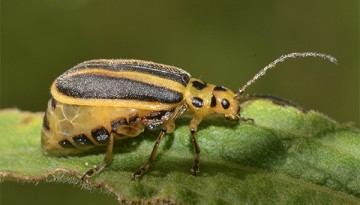
Plant chemical defense systems keep pests moving to new plants in dense populations, thereby distributing damage evenly and leaving minimal damage on each plant in a field, a recent study finds.