An innovative method that uses human embryonic stem cells to model type 2 diabetes caused by genetic mutations may enable researchers to identify drugs that could treat the disease.
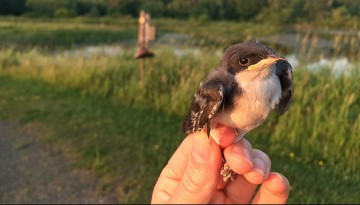
Cornell researchers have demonstrated for the first time that the fatty acid composition in the tree swallow diet plays a key role in chick health and survival rates.
Cornell researchers have been awarded $4.2 million by the National Science Foundation to explore natural genetic variation in the tomato immune system and to use the findings to improve crops.
The Cornell College of Veterinary Medicine's seventh annual Veterinary Public Health Symposium Sept. 9-11 featured talks by a range of veterinarians, epidemiologists and public health officials.
Some of Cornell's best scientists working on how the brain works will gather Sept. 29 for the Cornell Neurotech Mong Family Foundation Symposium. It features three alumni winners of the 2015 Brain Prize.
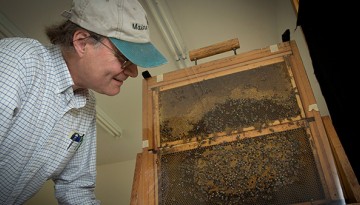
Thomas Seeley and four engineers from Georgia Tech will share the Fifth Annual Golden Goose Award for the "honeybee algorithm," which adapted basic bee research to the $50 billion web hosting industry.
A Cornell audio producer has won a prestigious communication award for a radio series on biologists – including many from Cornell – who use sound to understand the natural world.