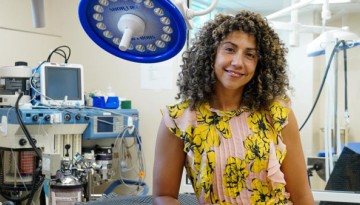
Lisa Fortier, Ph.D. ’98, the James Law Professor of Surgery at the College of Veterinary Medicine, has devoted her career to developing cutting-edge treatments that can dramatically improve both horses’ and humans’ lives.
A new study finds that despite increasing numbers of bald eagles, poisoning from eating dead carcasses or parts contaminated by lead shot has reduced population growth by 4% to 6% annually in the Northeast.
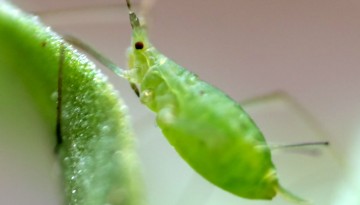
The word ‘honeydew’ sounds benign, but the sugary waste product of aphids can promote growth of bacteria that are highly virulent to the pests, according to a new study.
Scientists at the Cornell University College of Veterinary Medicine analyzed four different antimicrobial measurement methods used across the globe in the hopes of steering governing groups toward a more unified monitoring system.
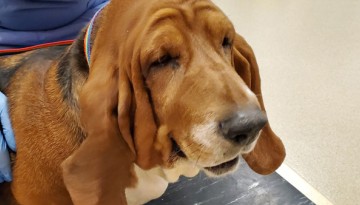
The folds in a basset hound’s face are a hallmark of the breed’s droopy charm, but for six-year-old dog Daisy, an allergic reaction changed those folds from adorable to painful.
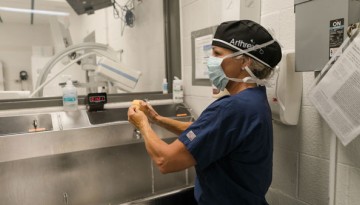
The Cornell University College of Veterinary Medicine has recently welcomed many new faculty members to its academic departments, each one bringing a unique set of skills and experience that enriches the college.
Four teams of undergraduate students were named winners of the Big Ideas Competition at Cornell, with ideas that help musicians connect, detect heart problems, train unemployed young adults and help with pollution issues in developing countries.