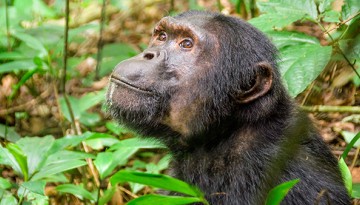
When an asteroid struck 66 million years ago and wiped out most dinosaurs and three-quarters of life on Earth, early ancestors of primates and marsupials were among the only tree-dwelling (arboreal) mammals that survived, according to a new study.
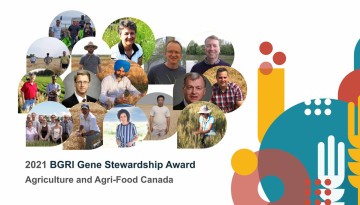
The rust-resistant wheat cultivar development team at Agriculture and Agri-Food Canada (AAFC) earned the Borlaug Global Rust Initiative (BGRI) 2021 Gene Stewardship Award for their long-standing innovations and strategies to…
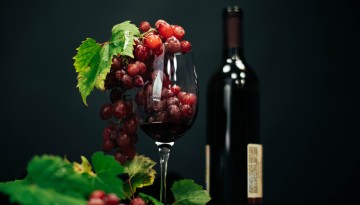
Cornell food scientists now show that the leftover pulp from the red wine making process has the potential to be a nutritive, illness-reducing treasure.
A Cornell-led national network of scientists and farmers is developing new varieties of cover crops with sustainable benefits that are better adapted to local regions and stressors.
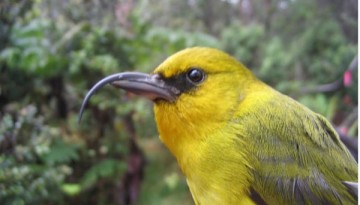
On the island of Kaua‘i, six native bird species recently experienced collapses coinciding with a sharp increase in mosquitoes and malaria. Dr. Katherine McClure is working to save Hawai’i’s native bird populations from this disease, specifically the Hawaiian honeycreepers.
During his term as president of the American Association of Immunologists, Dr. Gary Koretzky '78, vice provost for academic integration at Cornell, aims to improve science advocacy, public outreach and more.
The Veterinary One Health Association at Cornell hosted its annual symposium this weekend, Sept. 24 and 25. The two-day virtual event featured guest speakers, special lectures and a virtual poster session, all covering One Health issues.
A new graduate fellowship program will support students from Minority Serving Institutions (MSIs) to become next-generation leaders in global crop improvement.