On April 24, the Cornell Mui Ho Center for Cities will convene experts to share solutions and identify areas for future action that address the multiple and cascading climate change hazards facing New York City.
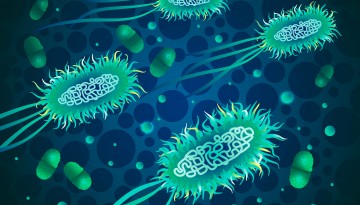
People with Crohn’s disease and related joint inflammation linked to immune system dysfunction have distinct gut bacteria or microbiota, according to a new study by Weill Cornell Medicine researchers.
The gift from philanthropist Tom Secunda, co-founder of Bloomberg L.P., will help fund artificial intelligence-related research at Cornell Tech in New York City and at the Cornell Ann S. Bowers College of Computing and Information Science in Ithaca.
A new AI-based system for analyzing images taken over time can accurately detect changes and predict outcomes, which may be useful across a wide range of medical and scientific applications.
Weill Cornell Medicine and Weill Bugando School of Medicine collaborate to strengthen medical education, health care and innovative global health research at both institutions.
Adding engineered human blood vessel-forming cells to islet transplants boosted the survival of the insulin-producing cells and reversed diabetes in a preclinical study led by Weill Cornell Medicine investigators.
A multinational, multi-institutional study led by Weill Cornell Medicine investigators found little natural resistance to a new HIV therapy called lenacapavir in a population of patients in Uganda.
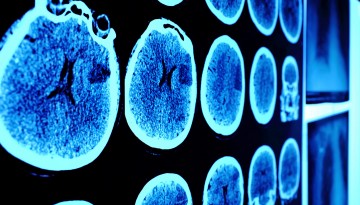
Weill Cornell Medicine researchers have found that intracranial hemorrhages, or “brain bleeds” caused by a ruptured blood vessel in the brain, doubles a person’s risk of developing dementia later in life.