A growth factor protein produced by rare immune cells in the intestine can protect against the effects of inflammatory bowel disease, according to a new discovery from Weill Cornell Medicine researchers.
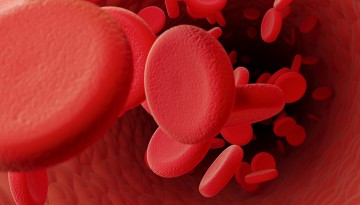
According to new research out of Weill Cornell Medicine, a protein that masterminds the way DNA is wrapped within chromosomes has a major role in the healthy functioning of blood stem cells, which produce all blood cells in the body.
Using an innovative new imaging technique, researchers at Weill Cornell Medicine have revealed the inner workings of a family of light-sensing molecules in unprecedented detail and speed.
Cornell's Office of Academic Integration has announced 15 new multi-investigator seed grants, including support for a project on climate change, pollen and asthma attacks and another to develop a microbial delivery system for a unique treatment of colorectal cancer.
Forget incineration or landfills. To resolve the increasing, never-ending waste stream of medical PPE as a result of the pandemic, Cornell engineers suggest recycling via pyrolysis.
Blockchain technology expert Ari Juels testified Jan. 20 before a Congressional subcommittee that digital currency – a notorious energy guzzler – can be validated in greener ways.
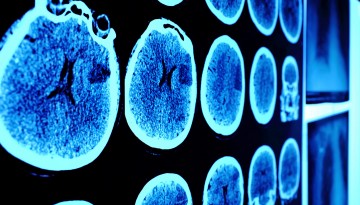
By mapping all the protein interactions of a dementia-linked protein in the brain called Tau, a team of Weill Cornell Medicine investigators has created a road map for identifying potential new treatment targets for Alzheimer’s disease and related dementia.
Cornell startups Ava Labs have new key partnerships with Deloitte and Mastercard, while university startup companies SwiftScale Biologics and Novomer have been acquired.
Researchers at Weill Cornell Medicine have developed a pre-clinical model of the leading cause of central vision loss in older individuals, dry age-related macular degeneration, and used it to identify new treatment modalities and drug targets.