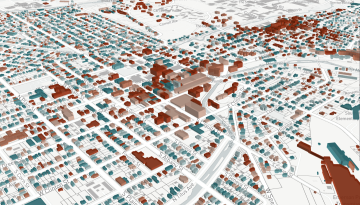
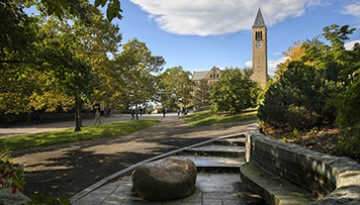
Using Ithaca as a case study, researchers have demonstrated a software tool that can quickly model building energy use and simulate the most cost-effective strategies for improving efficiency and reducing emissions.
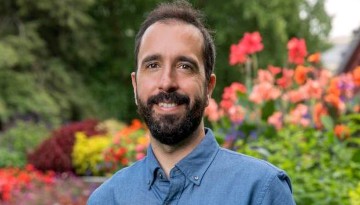
Antonio Fernandez-Ruiz, assistant professor and Nancy and Peter Meinig Family Investigator in the Life Sciences in the Department of Neurobiology and Behavior in the College of Arts and Sciences, has been awarded a biomedical sciences grant from the Pew Charitable Trusts.
The way perceptual systems are organized in the brain depends on the way we perform actions with our hands, according to a new theory proposed by Cornell psychology scholars.
This summer, Cornell Tech welcomed the first-ever cohort of the City University of New York (CUNY) Honors Connect program, which culminated in a showcase of student-led research on July 31.
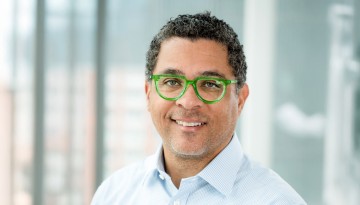
Kyle Kimball, vice president of government relations and community engagement at New York University, has been named Cornell’s vice president for university relations.
Project teams in Rev: Ithaca's Prototyping Hardware Accelerator will present their ideas – from AI cocktail generators to plastic recycling machines - at Demo Day on July 31.
The NSF, in partnership with Intel, will invest $20 million over five years to establish the Artificial Intelligence Materials Institute at Cornell, as part of the National Artificial Intelligence Research Institutes.
The Kessler Scholars program will continue to support first-generation, low-income college students through 2030, thanks to a $1.1 million, four-year grant to extend its participation in the Kessler Scholars Collaborative.