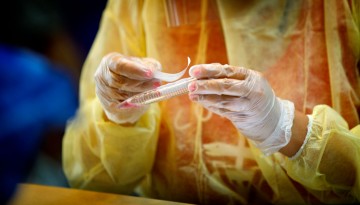
Models developed by university experts predict that the combination of a highly vaccinated campus population and public safety measures, including masks and testing, will minimize the risk of virus spread this fall.
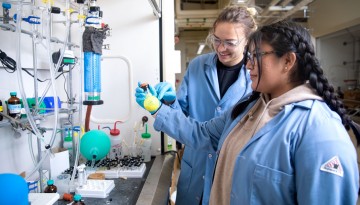
Since 2015, the CHAMPS program has provided opportunities for high-caliber students from groups traditionally underrepresented in biomedical careers to engage in scholarship and research.
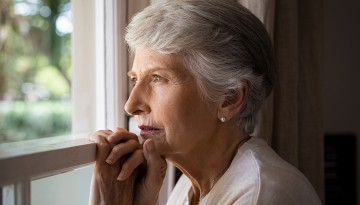
A study involving researchers from the College of Human Ecology and Weill Cornell Medicine estimates the incidence of elder mistreatment in New York state and advances understanding of key risk factors.
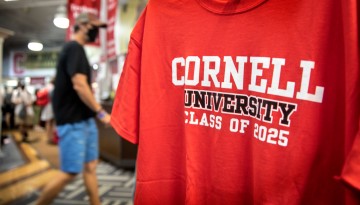
In many ways, the Class of 2025 is unlike any previous group of incoming Cornell students – it is larger, more diverse and was shaped unmistakably by the COVID-19 pandemic.
Cornell’s nearly 50-year-old Empathy, Assistance and Referral Service (EARS) will begin offering a new model of support this fall, including peer mentoring, training and outreach.
Saul Teukolsky, the Hans A. Bethe Professor of Physics and Astrophysics in the College of Arts and Sciences, has been awarded the International Centre for Theoretical Physics’ 2021 ICTP Dirac Medal and Prize for his contributions to the detection of gravitational waves.
In a new book, “Policymaker’s Journal,” Kaushik Basu offers musings about economic policymaking and public life during his years serving as chief economic adviser in India’s finance ministry and chief economist at the World Bank.
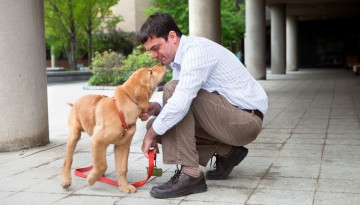
Embark Veterinary, Inc. – a canine genetics startup company that graduated from Cornell’s McGovern Center incubator in late 2017 – announced $75 million in venture funding on July 26.
A country’s values, norms and policies influence fertility rates, particularly among the religious, according to a new study by sociologist Landon Schnabel.