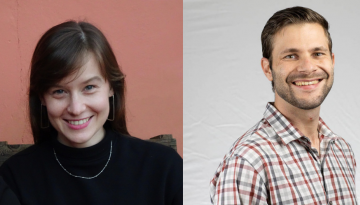
As CCSS fellows, a dozen faculty members representing seven colleges and schools will pursue ambitious research projects on issues ranging from political polarization to environmental justice.
University officials announced Feb. 5 that there is a cluster of at least 12 positive COVID-19 cases within the student body and that campus is moving to alert status Yellow: Low to Moderate Risk.
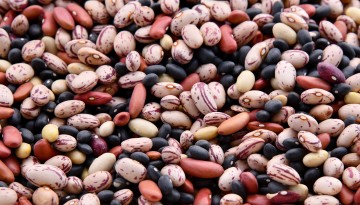
New research from Elad Tako, associate professor of food science, shows that iron and zinc in biofortified foods, such as beans and wheat, can improve the health of gut bacteria and reduce the risk of malnutrition.
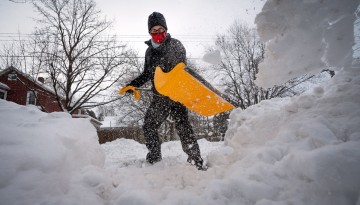
Snow Angels, a web app developed in part by Cornell computer science students that allows people to volunteer their snow-shoveling services on street corners around Ithaca, launched on Jan. 28.
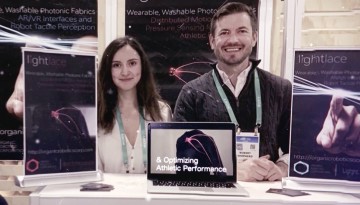
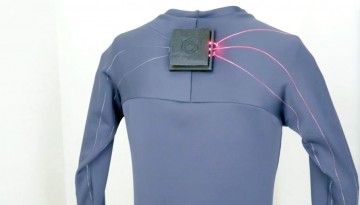
Cornell Engineering startup Organic Robotics Corporation and its stretchable sensing technology, Light Lace, topped a field of four finalists to win the sixth annual NFL 1st & Future competition, sponsored by the National Football League.
Cornell leadership said in a statement that, beginning Feb. 4, faculty, staff and students will have the option of agreeing to allow COVID-19 testing data and samples to be used by Cornell researchers.
In the Three Minute Thesis competition, graduate students compete for monetary prizes by distilling their thesis or dissertation research into a three-minute presentation in front of a non-technical audience.
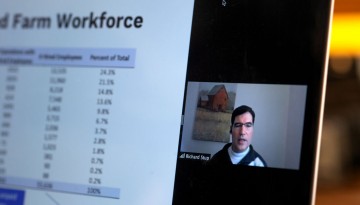
Richard Stup, agricultural workforce specialist, analyzed the key issues facing New York state farmers this year during Dyson's 2021 Agricultural and Food Business Outlook Conference, held virtually Jan. 25.
Organic Robotics Corporation, a Cornell engineering startup founded in 2018, is in the finals the sixth annual NFL 1st & Future competition, airing Feb. 2 at 8 p.m. EST on the NFL Network.