Ian Owens, the Smithsonian National Museum of Natural History’s deputy director, has been named the next executive director of the Cornell Lab of Ornithology. He will take the helm of the 106-year-old institution on July 1.
Héctor D. Abruña has been honored by the American Chemical Society with the ACS National Award in Analytical Chemistry for his pioneering work in electrochemistry, including the development of fuel cell and battery materials.
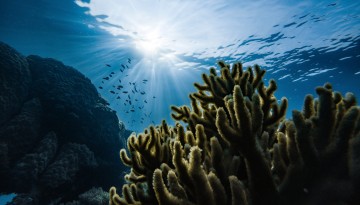
Attracting more than 1,000 students every fall, Intro to Oceanography is the largest course at Cornell. When Senior Lecturer Bruce Monger started recording the lectures for remote teaching, he partnered with eCornell and ended up developing a publicly accessible oceanography and climate sustainability course too.
Archivists, curators and librarians are finding virtual ways to help faculty members teach, using gems from Cornell University Library’s rare collections, from medieval texts on parchment to punk show flyers.
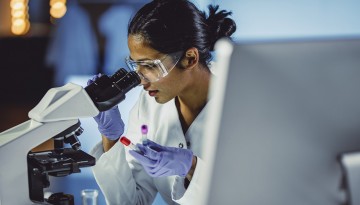
A streamlined process for awarding green cards to international STEM doctoral students graduating from U.S. universities could benefit American innovation and competitiveness, according to new research.
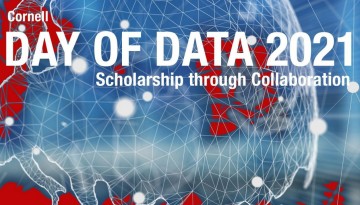
The annual Cornell Day of Data, this year a two-day virtual event, Jan. 27-28, brings together professors, researchers and students from across the university to share techniques, tools and insights in working with data.
The Tompkins County Health Department alerted the local community that B.1.1.7, the new, highly contagious “UK variant” of COVID-19, has been identified in Tompkins County.
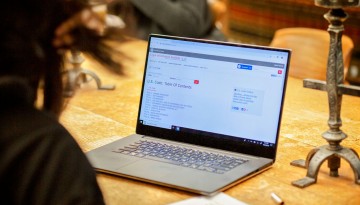
Cornell Law School’s Legal Information Institute, a pioneer in providing open access to U.S. legal information online, welcomed more than 39 million unique visitors to its website during a year of major headlines.
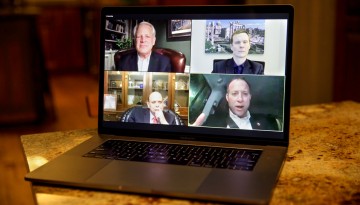
A conversation with the co-chairs of the Problem Solvers Caucus in the U.S. House of Representatives kicked off the Institute of Politics and Global Affairs’ Campaign for the Future of Democracy on Jan. 13.