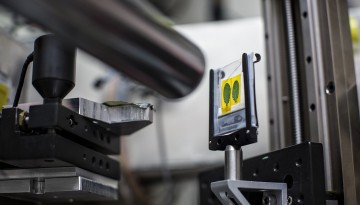
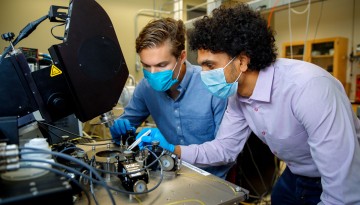
The National Science Foundation has awarded the Cornell High Energy Synchrotron Source $32.6 million to build a High Magnetic Field beamline, which will allow researchers to conduct precision X-ray studies of materials in persistent magnetic fields.
Students and faculty in the College of Engineering are leveraging the university’s robust entrepreneurial ecosystem to launch a variety of tech startups.
Marketing strategies that boost feelings of psychological ownership can increase people's willingness to clean up trash, donate money and volunteer at public parks, according to research co-authored by Suzanne Shu, professor of marketing.
In his new book, “Genetic Afterlives,” Noah Tamarkin, assistant professor of anthropology, takes an ethnographic approach to discussing the Lemba, a group living in South Africa with ties to the Jewish diaspora.
Isabel Wilkerson, journalist and author of “Caste: The Origins of Our Discontents,” on Oct. 21 delivered the Cornell Center for Social Sciences’ annual Distinguished Lecture in the Social Sciences.
Researchers and clinicians from Cornell’s Ithaca campus, Weill Cornell Medicine and Cornell Tech will gather for an online COVID-19 Summit, Nov. 4-5, to share their expertise and clinical experience with COVID-19.
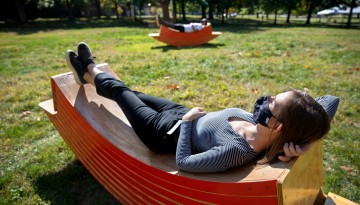
The collaborative outdoor installation “Cornell: Safely Together” aims to make COVID-19 physical distancing a little more social, with mown patterns and furniture on the Ag and Arts quads.
Cornell’s network of business incubators and accelerators have developed into a growing and robust entrepreneurial engine nurtured with resources, training and mentorship that help faculty, research staff and graduate students launch marketable ideas and technologies.