Virtual events and resources at Cornell include: Images of Dragon Days past; Cornell experts discuss COVID-19; “Cosmos” and spotlight on women artists at the Johnson Museum; student theater and film updates; and a citizen science project surveying breeding birds.
For decades, Cornell archaeologists have been excavating at Sardis, Turkey. A new lecture series to spotlight that work launched March 6 with the excavation’s current director, Nicholas D. Cahill, professor of Greek and Roman art at the University of Wisconsin, Madison.
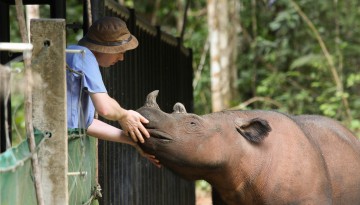
The Cornell College of Veterinary Medicine announces the establishment of the Cornell Wildlife Heath Center, which aims to catalyze multidisciplinary collaboration to address global wildlife health challenges.
As the world grapples with the financial fallout from the COVID-19 pandemic, Cornell has reaffirmed its financial aid commitment to current and future students, and their families.
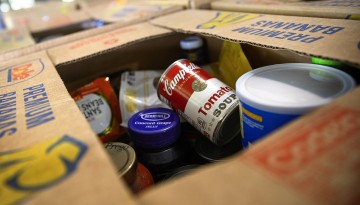
Cornell has partnered with the Food Bank of the Southern Tier and the Greater Ithaca Activities Center to collect and distribute much-needed meals for food-insecure families during the coronavirus pandemic.
Provost Michael Kotlikoff and Executive Vice President and Chief Financial Officer Joanne DeStefano detailed March 30 measures the university is taking to manage the short- and long-term financial impact of the virus.
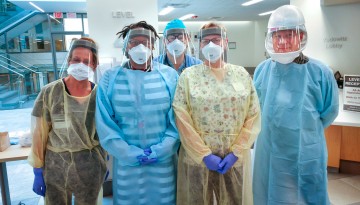
As of March 24, Cornell Health has moved to “pandemic operations,” based on the global public health landscape and recommendations from the Centers for Disease Control and Prevention.
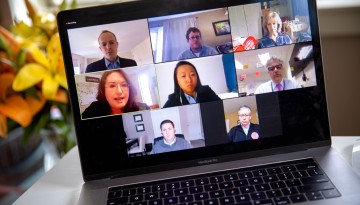
In a March 25 virtual forum sponsored by the Employee Assembly, senior university leaders updated staff on how the coronavirus pandemic is affecting jobs, facilities and community outreach.