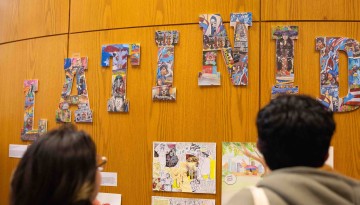
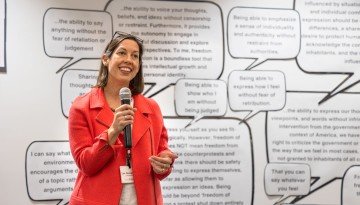
A symposium led by the Department of Communication brought together more than 100 scholars, students and community members to discuss topics such as histories of media and propaganda, content moderation on social media, public opinion as freedom of expression, and how freedom of expression relates to our other core values and responsibilities as a university.
Law School students and undergrads are helping clients with minor criminal histories – disproportionately people of color – review, correct and seal records that have thwarted job opportunities and held them back.
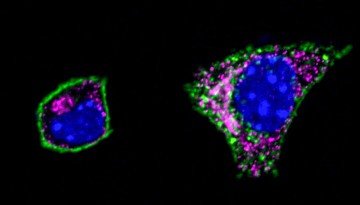
A preclinical study by Weill Cornell Medicine investigators shows that a specific human genetic variant of a receptor that stimulates insulin release may help individuals be more resistant to obesity.
A community dinner brought together Jewish and Muslim students to bond over the common experiences of their faith, their passions and daily life at Cornell.
Tech expert says social media companies could limit harassing and extremist speech but often choose not to because it serves their bottom line, in her Dec. 7 talk, “Selling Out Free Speech.”
Nearly 430 custodial staff were honored for their outstanding dedication to their work at the 2023 Bartels Awards for Custodial Service, held Dec. 7 in Bartels Hall.
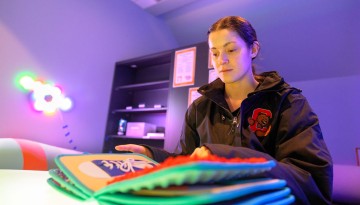
Students describe the new space in the Learning Strategies Center – where they can control their level of sensory input – as soothing, calming and essential.
Lab-grown meat, food created by microorganisms and plant-based foods that mimic the taste of meat could help reduce environmental impacts of food systems, a new UN report co-authored by Cornell researchers finds.