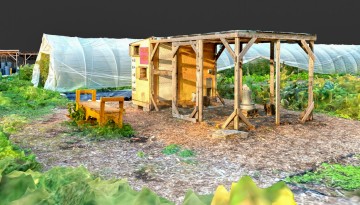
Cornell researchers have created the most advanced virtual reality urban farm tour ever made, an online learning experience that promises to transport urban and rural farmers to New York City’s Red Hook Farms without ever leaving home.
In a global cautionary tale, the UN’s IPCC has a new climate change report written by Cornell’s Rachel Bezner Kerr and 270 others, to pull our planet from dire environmental ruin.
A Cornell Tech clinic has created a new approach to helping survivors of domestic abuse stop assailants from hacking into their devices and social media to surveil and harass them.
Cornell engineers have developed a new tool by combining machine learning and optimization modeling to provide hour-by-hour analysis of New York’s energy needs.
Moira Hintsa ’74 and her family have endowed the Hintsa Family Manager of School and Family Programs at the Johnson Museum, supporting a program that reaches thousands of local and regional children each year.
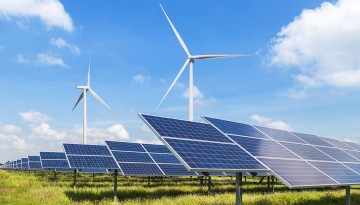
Cornell researchers and a startup have received more than $7 million in federal grants to advance novel clean energy research that includes wirelessly charging electric vehicles, low-carbon jet fuel and construction materials made from waste.
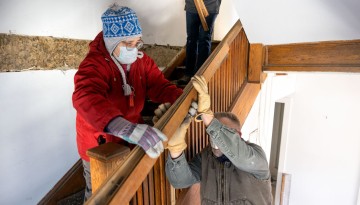
A project led by Felix Heisel and community partners is investigating deconstruction’s potential as a more sustainable alternative to building demolition, a source of significant waste that contributes to climate change.
New York growers will get a sustainable boost this planting season from the new Soil Health and Climate Resiliency Act – backed up by Cornell research – and signed into law by Gov. Kathy Hochul.