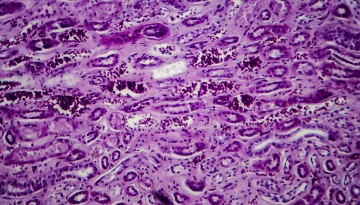
Combining state-of-the-art X-ray technology and cryogenics, Cornell physics researchers have developed a new method for analyzing proteins in action, a breakthrough that will enable the study of far more proteins than is possible with current methods.
A new Cornell engaged learning course, co-sponsored by the Rural Schools Association of New York State, aims to help under-resourced schools identify critical funding needs, then seek grant funds to support programming.
A study involving researchers from the College of Human Ecology and Weill Cornell Medicine estimates the incidence of elder mistreatment in New York state and advances understanding of key risk factors.
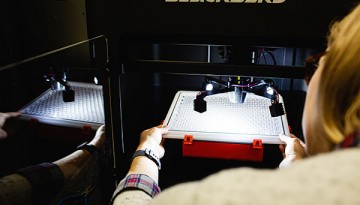
A radical collaboration between a biologist and an engineer is supercharging efforts to protect grape crops, and the technology they’ve developed will soon be available to researchers nationwide.
Cornell's New York Youth Institute announced the selection of 20 high school students who will represent New York State as delegates to the 2021 World Food Prize Global Youth Institute.
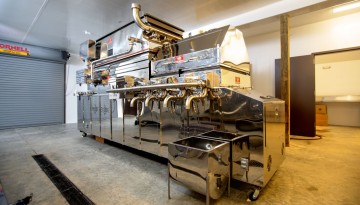
The Cornell Maple Program has opened an advanced, New York state-funded maple research laboratory, an upgrade that will enable research on making high-quality syrup, and new and existing maple products – all at commercial scales.
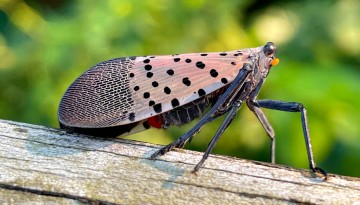
The spotted lanternfly – an invasive, destructive pest with a wide range of hosts including grapes, apples, hops, maple and walnut – has spread to a growing number of counties in New York state.
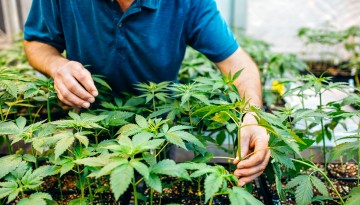
A new Cornell study debunks misinformation on websites and in news articles that claim that environmental or biological stresses – such as flooding or disease – cause an increase in THC production in hemp plants.