The Rural Humanities initiative has chosen “Rural Black Lives” as its theme for 2020-21, and its projects and programming will concentrate on the visibility of Black lives in rural central and western New York state.
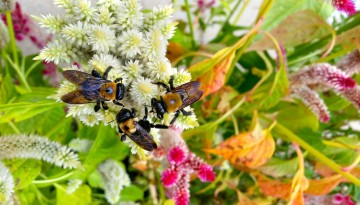
One in 11 flowers carries disease-causing parasites known to contribute to bee declines, according to a Cornell study that identifies how flowers act as hubs for transmitting diseases to bees and other pollinators.
A multidisciplinary, Cornell-led team of scientists will study how plant pathogens that travel the globe with dust particles might put crops at risk, especially in places where people struggle to eat.
Cornell researchers are studying solar leasing on farmland in New York to better understand the economic, legal, and community issues associated with solar energy initiatives.
A single protein derived from a common strain of bacteria found in the soil will offer scientists a more precise way to edit RNA, according to new Cornell food science research.
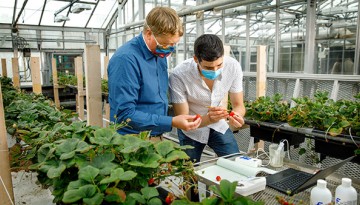
Thanks to a grant from the USDA, horticulture experts in the College of Agriculture and Life Sciences will help design new training programs for workers in controlled environment agriculture.
The Cornell Center for Materials Research is helping startup companies create new, innovative products by connecting them with university researchers while also boosting economic development in New York state.
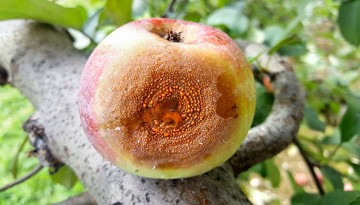
In a study of New York state apple orchards, Cornell plant pathologists have identified a new fungal pathogen that causes bitter rot disease in apples.