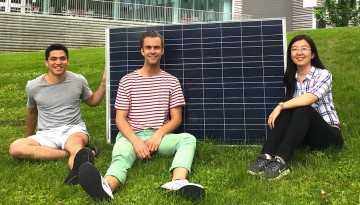
While solar farms help summer electricity demand, Cornell engineers caution that upstate winters could prompt “ramping” – bursts of sudden increases or decreases in electricity demand.
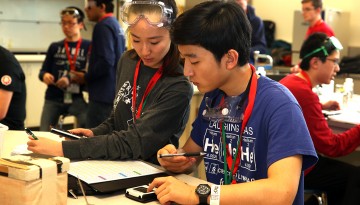
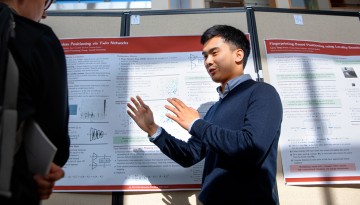
About 2,000 middle and high school students will show their science and engineering acumen at the 35th annual Science Olympiad National Tournament, May 31-June 1 at Cornell.
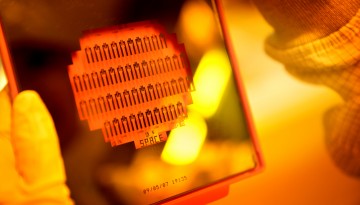
Since last August, graduate student Nicole Chu has been fabricating the foundation of a wearable air quality monitoring device, by using tools at the Cornell NanoScale Science and Technology Facility.
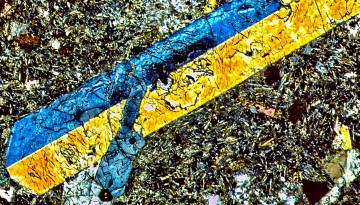
Far below Bermuda’s pink sand beaches and turquoise tides, Cornell geoscientists have found the first direct evidence that material from deep within Earth’s transition zone can percolate to form volcanoes.
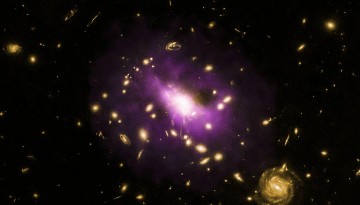
New research by physics and astronomy professor Eanna Flanagan, published last month in Physical Review D, identifies new ways to detect the passage of gravitational waves via their effect on matter.
The Cornell Presidential Postdoctoral Fellowship Program, which attracts some of the world’s best young talent to Cornell, has chosen eight new fellows.
The student-run symposium recognizes research achievement and provides a venue for undergraduates to communicate their work in a scholarly environment.
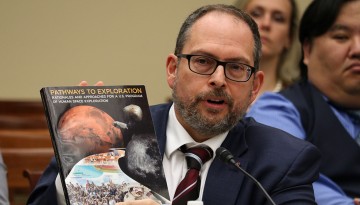
Cornell astronomer Jonathan Lunine suggested to Congress on May 8 reasonable, practical steps – including baby steps back to the moon – to help Americans one day put boots on the oxidized dust of Mars.