After expanding to its peak size about 11 billion years from now, the universe will begin to contract – snapping back like a rubber band to a single point at the end, according to a Cornell physicist.
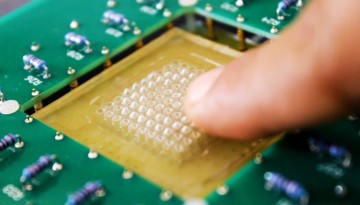
By combining the design principles and materials of soft robotics with microscale combustions, researchers created a high-resolution electronic tactile display that can operate in messy, unpredictable environments.
A Cornell researcher and collaborators have developed a machine-learning model that encapsulates and quantifies the valuable intuition of human experts in the quest to discover new quantum materials.
Drawing on cutting-edge technology and interdisciplinary expertise, researchers are launching Menopause Health Engineering, a new initiative to uncover how menopause shapes health and disease.
The Center for Teaching Innovation will host “What Works,” on Oct. 1, featuring presentations, the Canvas Course Spotlight awardees, and a poster showcase that will demonstrate engaged learning approaches from Cornell faculty teaching in a diverse range of courses and fields.
Tianyi Chen is pushing the boundaries of artificial intelligence by asking a pressing question: What if AI could be engineered not just to optimize for a single outcome, but to make smarter, more balanced decisions — much like humans do?
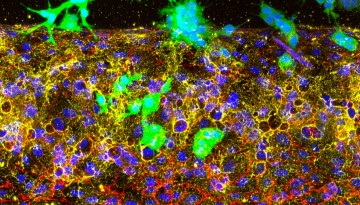
A new study revealed how a deadly form of pancreatic cancer enters the bloodstream, solving a long-standing mystery of how the disease spreads and identifying a promising target for therapy.