TRAPPIST-1 e, an Earth-sized exoplanet 40 light years away, may have an atmosphere that could support having liquid water on the planet’s surface in the form of a global ocean or icy surface.
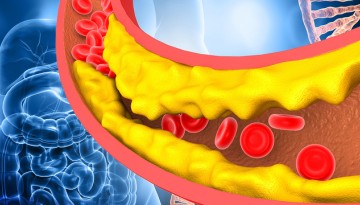
Cornell researchers have uncovered the surprising role played by a “three-tailed” fat molecule in cellular survival during heart attack and stroke: protecting the cells against damage when oxygen runs out.
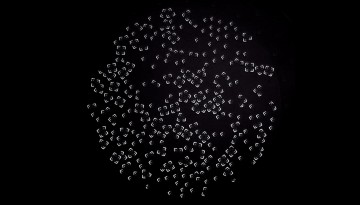
A Cornell-led collaboration developed microscale magnetic particles that can mimic the ability of biomolecules to self-assemble into complex structures, while also reducing the parasitic waste that would otherwise clog up production.
Cornell researchers have identified the signaling mechanism that triggers steroid-induced glaucoma by creating a 3D “eye-on-a-chip” platform that mimics the flow of ocular fluids.
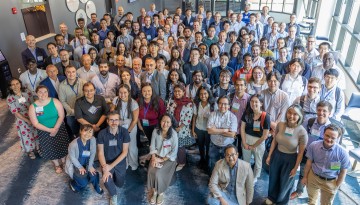
Cornell University hosted the 2025 SUPREME annual review, bringing together academia, industry, and government to advance next-generation semiconductor innovation and workforce development.
A Cornell-led collaboration devised a potentially low-cost method for producing antibodies for therapeutic treatments: bioengineered bacteria with an overlooked enzyme that can help monoclonal antibodies boost their immune defenses.
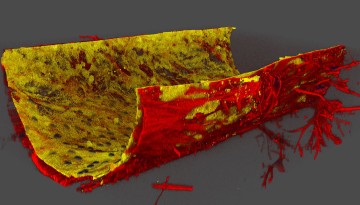
Nearly a decade after they first demonstrated that soft materials could guide the formation of superconductors, Cornell researchers have achieved a one-step, 3D printing method that produces superconductors with record properties.
Mako, co-founded by assistant professor Mohamed Abdelfattah, sets out to tackle one of artificial intelligence’s most pressing infrastructure challenges: optimizing the computing efficiency of graphics processing units.