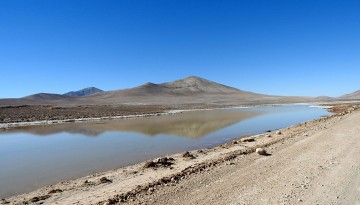
When rains fell on the arid Atacama Desert, it was reasonable to expect floral blooms to follow. Instead, the water brought death, according to an international team of planetary astrobiologists.
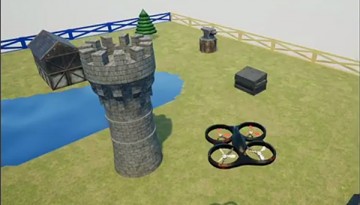
To help robots understand human language when navigating, researchers divided their task into two separate stages: first, interpreting the language in a command and mapping out a path; and then executing the trip.
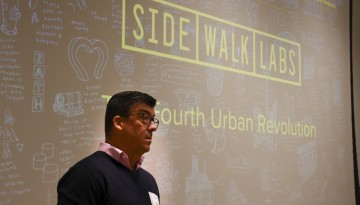
Ray Jayawardhana shared his enthusiasm for astronomy’s “extraordinary age of discovery” with Cornell’s Trustee Council in a keynote address at its Annual Meeting Nov. 2.
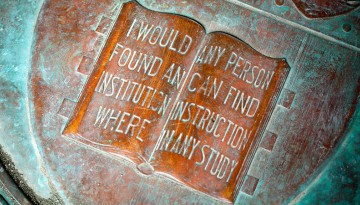
Eight faculty members have received Stephen H. Weiss Awards for excellence in their teaching of undergraduate students and contributions to undergraduate education.
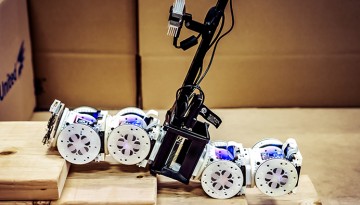
A Cornell-led team has developed modular robots that can perceive their surroundings, make decisions and autonomously assume different shapes in order to perform various tasks.